Introduction
Left wing politics is a crucial element of political discourse, often representing a progressive approach to social, economic, and political issues. Understanding what it means to be left wing is essential for engaging in contemporary discussions about policy, governance, and societal values. In many countries, left wing movements advocate for issues like social justice, equality, and environmental protection, making them highly relevant in today’s fast-changing political landscape.
Defining Left Wing Politics
Traditionally, left wing politics is associated with ideologies that promote equality, collective rights, and social welfare. These may include socialism, communism, and social democracy. The left often champions the needs of the working class and marginalised communities, advocating for government intervention in the economy to ensure wealth distribution and the protection of individual rights.
Current Events and Global Perspectives
As of 2023, we have seen numerous left wing parties rising to prominence across the globe. For instance, in Brazil, the election of President Luiz Inácio Lula da Silva has signalled a shift back to left wing policies following years of right-wing governance. Lula’s agenda includes combating poverty and inequality, emphasizing the relevance of left wing ideologies in addressing economic disparities exacerbated by the pandemic.
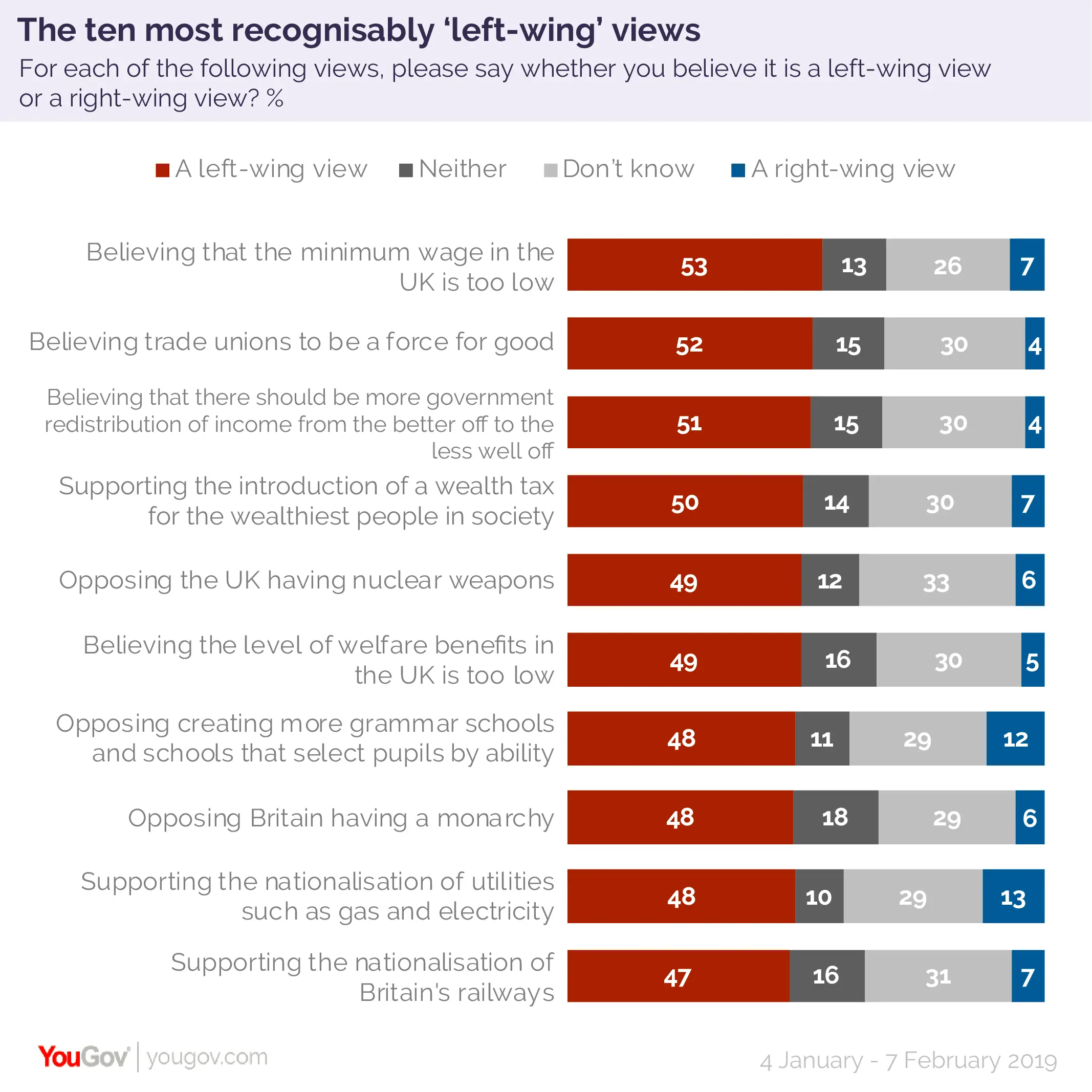
In the United Kingdom, the Labour Party has sought to redefine its leftist credentials under leader Keir Starmer. The party aims to navigate between traditional left wing principles and the need to appeal to a broader electorate, demonstrating the complexities faced by left wing movements in contemporary politics.
Significance for Readers
Understanding what left wing means is more than just a theoretical exercise; it has tangible implications for policies that affect everyday lives. Issues such as healthcare, education, climate change, and income inequality are deeply intertwined with left wing principles. As political ideologies continue to evolve, readers are encouraged to stay informed about how these beliefs manifest in legislation, governance, and societal norms.
Conclusion
In summary, left wing politics represents a significant force addressing various social and economic issues worldwide. The success of left wing movements in different countries demonstrates their growing relevance and potential impact on future governance. As citizens become increasingly engaged in political discussions, grasping the core tenets of left wing ideologies can empower individuals to make informed choices and drive change in their communities.