Introduction
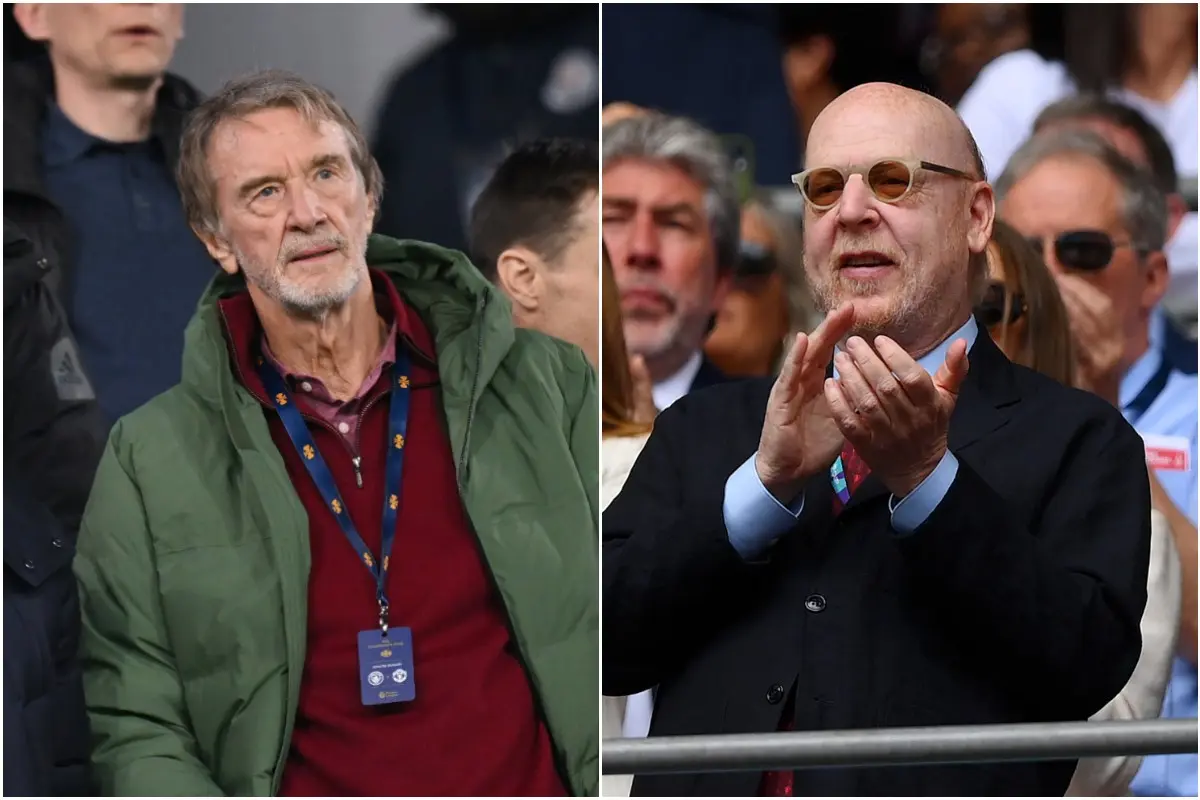
Jim Ratcliffe, the British billionaire and CEO of Ineos, has emerged as a notable figure in the world of football in recent months. His significant financial investments and interest in various clubs have sparked discussions about the future of football ownership and operations. As the sport seeks to navigate through challenges, Ratcliffe’s involvement could reshape the landscape of European football.
Recent Developments
In late August 2023, it was announced that Ratcliffe had finalized a deal to purchase a minority stake in Manchester United, a club steeped in rich history and tradition. This move not only marks Ratcliffe’s entry into one of the world’s most famous football clubs, but also highlights the growing trend of wealthy investors looking to capitalize on the lucrative football market.
Ratcliffe, an ardent Manchester United supporter since his childhood, has stated his intention to restore the club to its former glory, both in terms of performance and fan trust. Analysts have reported that this investment could potentially lead to substantial changes in the club’s management and strategic direction, which has been a subject of contention among fans since the Glazer family acquired the team in 2005.
Impact on Football Industry
Jim Ratcliffe’s investment strategy doesn’t stop with Manchester United. He has also shown interest in acquiring other clubs. Ineos, under his leadership, purchased Ligue 1 team OGC Nice in 2019, and has already made significant investments to bolster its performance. This dual approach to football ownership raises questions about how clubs can leverage financial backing from billionaire investors while remaining true to their historical roots and community connections.
Ratcliffe’s influence extends beyond direct ownership as he promotes a vision of sustainable investments within football. His methodology has been observed to prioritize long-term success over short-term gains, which could be beneficial in a sport often criticized for reckless financial decisions.
Conclusion
The participation of Jim Ratcliffe in football represents a shift in how clubs are perceived and operated. With his focus on revitalization and strategic growth, Ratcliffe could play a pivotal role in attracting new investment and interest in the sport. As football enters a new era of financial challenges, the significance of such power players cannot be overstated. Fans and analysts alike will be keenly observing how Ratcliffe’s ventures unfold, and whether they truly fulfill the promise of restoring prestige and success to iconic clubs like Manchester United.