Introduction
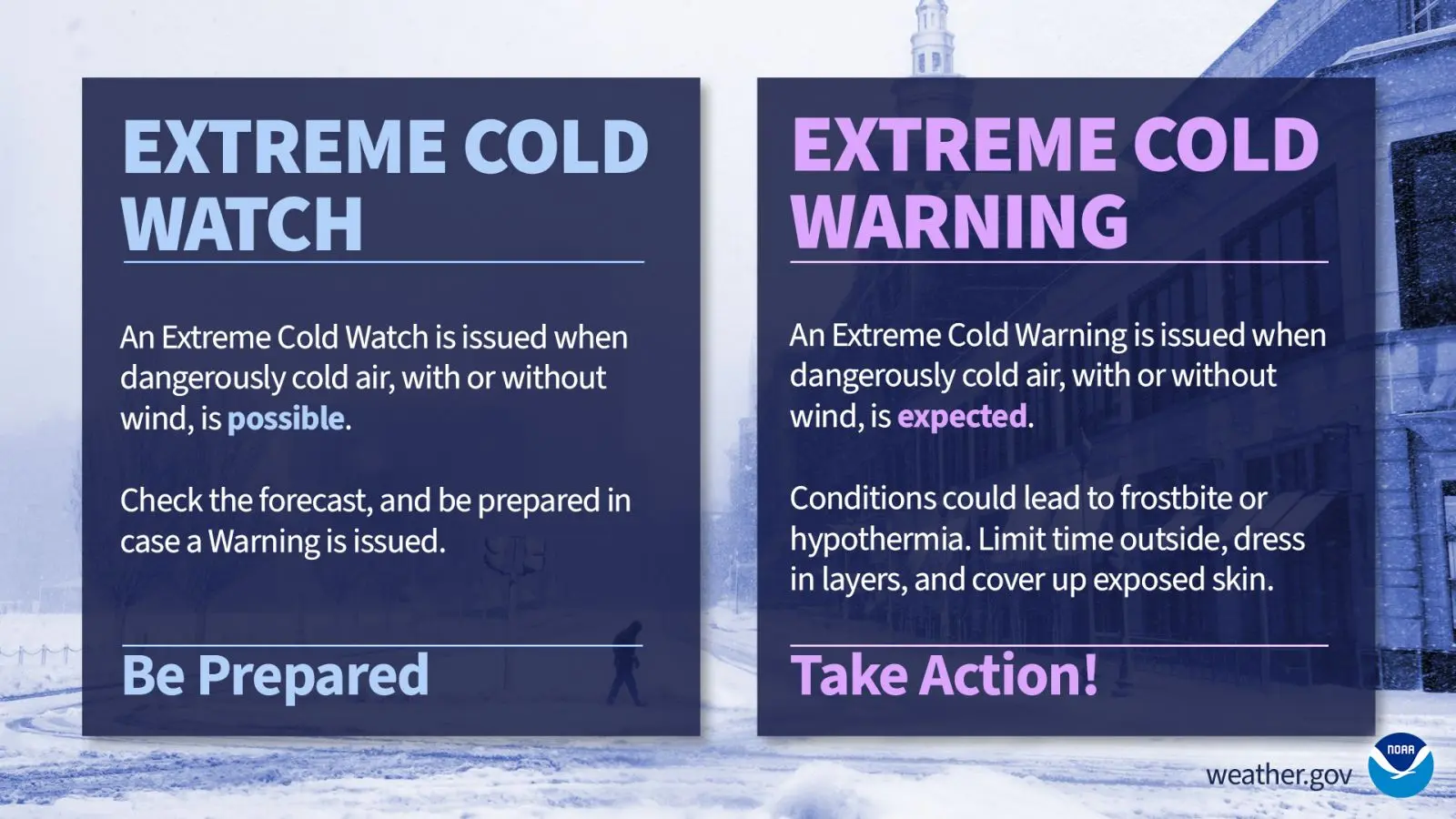
As winter descends upon much of the United States, winter weather warnings have become a crucial aspect of keeping citizens safe and informed. These warnings alert the public to impending hazardous weather conditions, including snowstorms, ice storms, freezing temperatures, and severe cold fronts, which can disrupt daily life and pose safety risks. Understanding the significance and implications of these warnings is vital for preparation and safety.
Current Winter Weather Warnings
As of mid-December 2023, the National Weather Service (NWS) has issued winter weather warnings across various regions, particularly in the Northern Plains and the Northeast. States such as Minnesota, North Dakota, and parts of New York are experiencing significant snowfall and icy conditions, leading to travel delays and safety concerns. For instance, a recent storm forecast predicted up to 12 inches of snow in certain areas, triggering blizzard warnings and prompting state officials to advise citizens to avoid unnecessary travel.
Impacts of Winter Weather Warnings
The impact of winter weather warnings extends beyond just precipitation. Following the issuance of these alerts, local governments often mobilize snowplows and emergency services to ensure that roads remain clear and accessible. Schools may close, and businesses may adjust operating hours to prioritize safety. Additionally, households are encouraged to prepare by stocking up on essential supplies and ensuring that heating systems are functional. The economic implications can also be significant, with disruptions to transportation and logistics affecting supply chains.
How to Prepare for Winter Weather
Being prepared is key to mitigating the effects of winter weather. The NWS recommends several proactive measures: regular monitoring of weather forecasts, creating an emergency kit that includes food, water, medications, and a battery-operated radio, and developing a family communication plan. Additionally, ensuring that vehicles are winterized, stocked with essentials like blankets and water, and equipped with a full tank of gas can contribute to safety during winter weather events.
Conclusion
Winter weather warnings are critical tools for protecting lives and property during the colder months. As conditions continue to fluctuate, it is essential for communities and individuals to stay informed and prepared. By understanding the nature and implications of these warnings, citizens can minimize risks and navigate the winter season safely. As we approach the peak of winter, keep an eye on local forecasts and heed warnings from authorities to ensure both safety and readiness.