Introduction
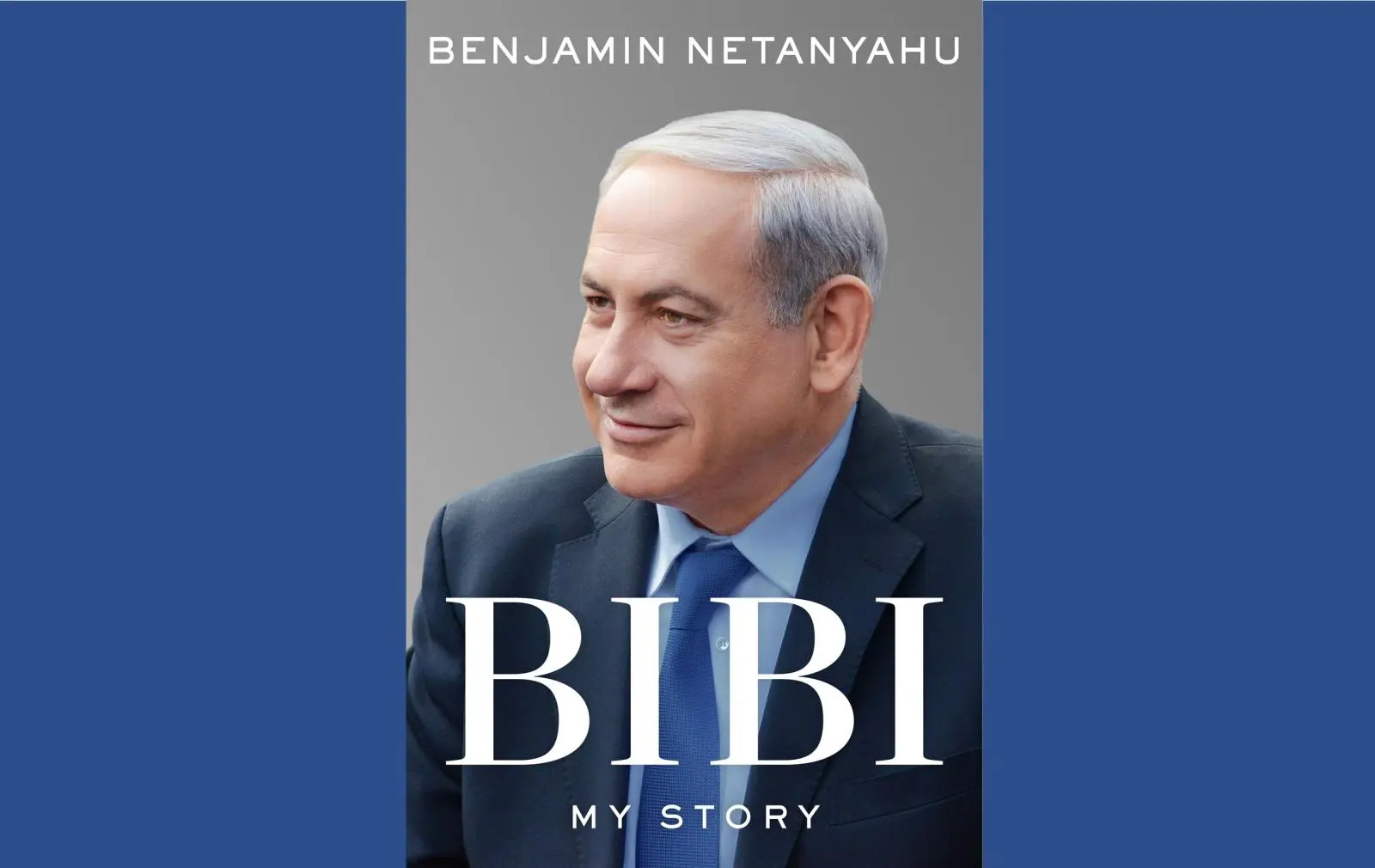
Benjamin Netanyahu, the current Prime Minister of Israel, plays a pivotal role in shaping Israeli politics and its international relations. His policies and leadership style have garnered both ardent supporters and fierce critics. Understanding Netanyahu’s political journey is crucial not only for grasping Israel’s domestic affairs but also for comprehending broader geopolitical dynamics in the Middle East.
Political Career
Born on October 21, 1949, in Tel Aviv, Netanyahu first entered the political arena in the late 1980s. He served as Israel’s Ambassador to the United Nations from 1984 to 1988 before becoming a member of the Knesset, Israel’s parliament, in 1988. His first term as Prime Minister began in 1996, making him the youngest individual to hold the office.
Netanyahu’s leadership has been marked by a focus on security and defense, economic liberalization, and contentious relations with the Palestinians. He is known for his staunch opposition to Iran’s nuclear program and has been a significant force in advocating for international sanctions against Tehran.
Recent Developments
As of 2023, Netanyahu is in his sixth term as Prime Minister. His government has faced numerous challenges, including protests against judicial reforms perceived to undermine democracy, heightened tensions with Palestinians, particularly in the West Bank and Gaza, and ongoing issues surrounding Israel’s economy amid global uncertainties. Recently, Bennett’s coalition faltered, leading to a shift back to Netanyahu’s Likud party, which analyzed public dissatisfaction with the previous administration.
Netanyahu’s controversial plans to overhaul the judicial system sparked nationwide protests, raising questions about the balance of power. These developments have reignited debates on democracy and governance in Israel and prompted a renewed focus on civil liberties.
Conclusion
Netanyahu’s influence on Israel’s political landscape is immense and multifaceted. As he navigates the complexities of governance, national security, and international relations, his actions continue to have far-reaching implications not only for Israel but for the entire region. Moving forward, observers will closely watch how Netanyahu addresses the challenges his coalition faces, including public dissent and regional tensions, as they will be critical factors in shaping Israel’s future.