Ghana Faces Diplomatic Pressure Over Proposed Gold Royalty Increases
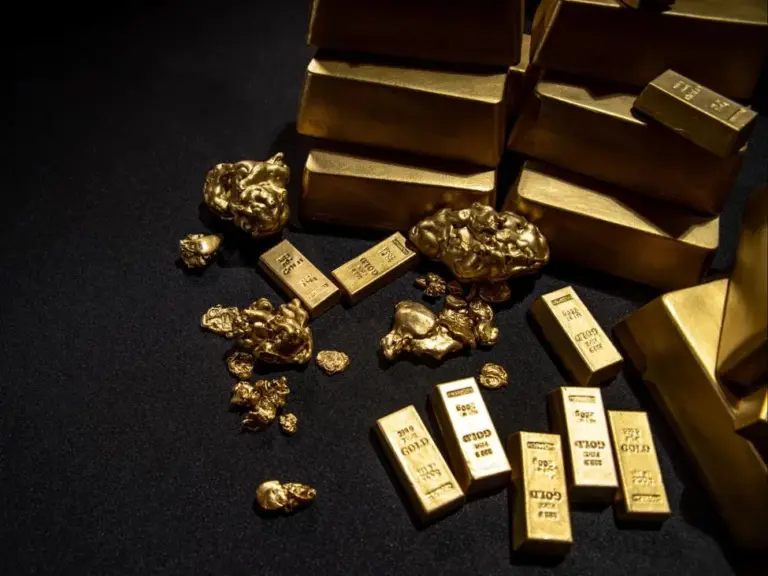
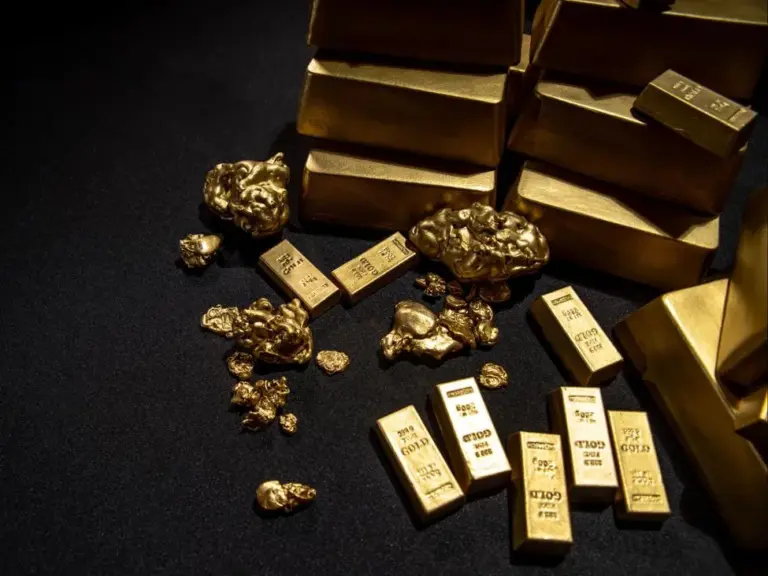
“This is the first time I’ve seen the diplomatic community get involved at this scale,” remarked a senior industry source, highlighting the unprecedented level of concern surrounding Ghana’s proposed increase in gold royalties. The current fixed royalty rate on gold stands at 5%, but the government is considering a sliding scale that could raise this rate to as high as 12%.
The proposed changes are set to take legal effect on March 6, 2026, unless Parliament intervenes to amend or withdraw the legislation. This potential hike in royalties has drawn the attention of diplomatic missions from six countries, who are urging the Ghanaian government to reconsider its stance. The overall government take from mining companies currently ranges between 48% and 50%, and the sliding scale could push the effective tax rate to between 60% and 68%.
Ghana is Africa’s largest gold producer, with annual output reaching about 6 million ounces in 2025. Gold accounted for $20.9 billion of the country’s total exports of $31.1 billion that year, underscoring the metal’s critical role in the national economy. The proposed royalty increase aims to ensure that Ghana captures a larger share of the profits from high gold prices, a move that has sparked significant debate within the industry.
The royalty issue has united companies like nothing in recent years, as they express concerns over the potential impact on their operations. An unnamed executive noted, “The heads of missions expressed concern that the operating environment of the mines will be challenging,” indicating that the proposed changes could deter investment in the sector.
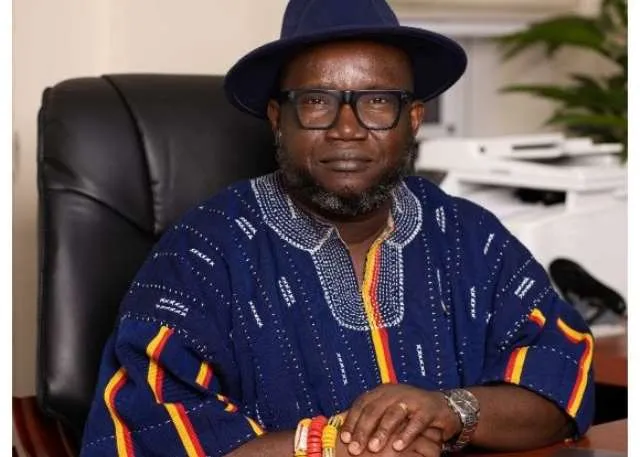
Kenneth Ashigbey, a prominent figure in the mining industry, posed a critical question: “The question is whether the government wants sustainable long-term revenue or a shorter-term windfall before investment migrates elsewhere.” This statement reflects the tension between immediate financial gains and the long-term health of the mining sector.
Details remain unconfirmed regarding the fiscal modeling or economic analysis that underpins the proposed royalty range, as this information has not been publicly released by Ghana’s Lands Ministry. The status of negotiations between Ghana and the diplomatic missions remains unclear, adding another layer of uncertainty to the situation.
As Ghana navigates this complex landscape of economic policy and international diplomacy, the outcome of the proposed gold royalty hike could have lasting implications for the mining industry and the broader economy. Stakeholders are closely monitoring developments, as the balance between revenue generation and investment attraction continues to be a critical issue for the nation.