Introduction
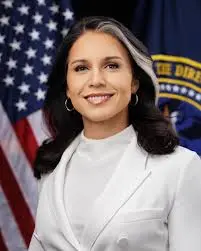
Tulsi Gabbard, a former Congresswoman and the first Samoan-American voting member of the United States Congress, has been making headlines recently for her dynamic political journey. As a prominent figure in American politics, Gabbard’s views and actions have influenced the national discourse on various issues, making her a significant figure worth examining in today’s evolving political landscape.
Career Overview
Gabbard was elected to the U.S. House of Representatives from Hawaii’s 2nd congressional district in 2012. She served for four terms before stepping down in 2021 to focus on her political ambitions. An Iraq War veteran, she stood out during her candidacy for the 2020 Democratic presidential nominating process due to her progressive stance on issues like healthcare and foreign policy. Gabbard’s approach to foreign relations, which advocates for non-interventionism and diplomacy over military force, has distinctively set her apart from many of her colleagues.
Recent Developments
In recent months, Gabbard has continued to capture attention by openly criticising party-line politics and vocalising her support for various conservative values, which has raised eyebrows among her previous Democratic supporters. Notably, in October 2022, Gabbard announced her departure from the Democratic Party, citing that it no longer represented her views and values. This move has initiated discussions about her potential run as an independent in future elections, posing significant questions about her political strategy moving forward.
Key Issues and Positions
Throughout her career, Gabbard has been known for her commitment to various pivotal issues. She has been a strong advocate for environmental policies, including climate change action and sustainable energy initiatives. Moreover, she has championed efforts in healthcare reform, emphasising the necessity of universal healthcare. Her stance on civil liberties and human rights further underscores her political platform, striving for equality and justice for all communities.
Conclusion
As Tulsi Gabbard navigates through the complexities of modern American politics, her recent actions suggest a shift that may reshape her political identity. With her independent status, Gabbard could appeal to a broader range of voters disillusioned by traditional party politics. As the 2024 election approaches, political analysts are closely monitoring her next moves and potential impact. Gabbard’s journey serves as a reminder of the ebb and flow of political affiliations and the enduring importance of individual values in shaping political discourse.