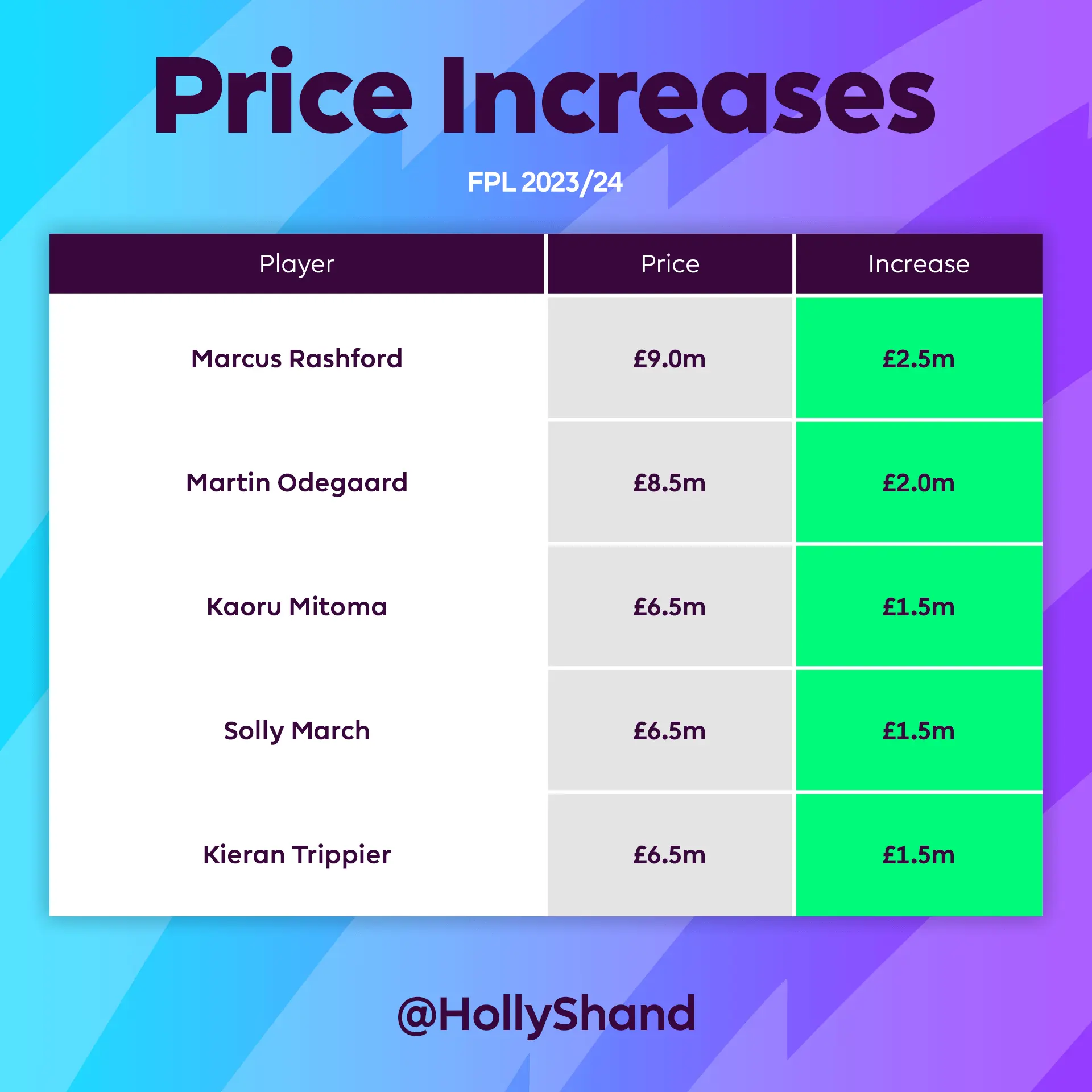
The Importance of FPL Price Changes
Fantasy Premier League (FPL) has become a staple for football enthusiasts worldwide, allowing fans to engage deeply with the sport. The price changes in FPL are crucial, influencing player selection and overall team strategy. These changes can impact both novice and seasoned managers, ultimately determining their league standings and success in the game.
How FPL Price Changes Work
The FPL pricing system is dynamic, adjusting player values based on their form, popularity, and performance. Players who perform exceptionally well often see their prices increase as more managers transfer them in. Conversely, underperforming players may face price drops, making it essential for managers to stay vigilant. Price changes typically occur within the Gameweek, and an individual player’s value can change multiple times based on transfers in and out.
Recent Trends in Price Changes
As of the latest season, several players have experienced significant price fluctuations. Star players like Erling Haaland, noted for his impressive goal-scoring record, have seen their prices soar as they become staple parts of many teams. On the other hand, injuries or poor performances can lead to price drops for high-profile players like Raheem Sterling or Virgil van Dijk, prompting managers to reconsider their strategies.
The Impact of Price Changes on Team Selection
The effect of price changes extends beyond a player’s individual value. Managers must balance their squad by considering total budget constraints. A sudden increase in a player’s price can force managers to make tough decisions, potentially downgrading other players or altering their formations. Furthermore, the ability to make tactical changes is often limited by financial constraints, making it essential for managers to act quickly to buy or sell players before price changes take effect.
Future Forecasts and Strategies
As the season progresses, analysts predict that the volatility of price changes will continue, especially around critical match periods like cup fixtures and international breaks. Managers who are proactive and responsive to these changes often fare better, using tools and resources to keep track of market movements. Staying informed about player performances, injury reports, and transfer trends will be paramount in navigating the shifting landscape of FPL prices.
Conclusion
In conclusion, understanding FPL price changes is vital for anyone serious about refining their fantasy football strategy. Adaptable managers who proactively monitor player prices and trends will find themselves better equipped to compete as the season unfolds. With the unpredictable nature of football, keeping a keen eye on both performance and pricing will be essential to achieving success in FPL.