Introduction
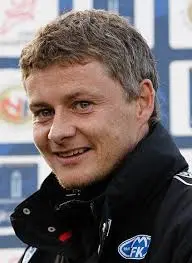
Ole Gunnar Solskjaer, a name synonymous with both Manchester United and football management, has emerged as a significant figure in the sport’s contemporary landscape. Since his retirement as a player, Solskjaer has transitioned from a fan-favourite striker to a managerial figure, leading teams through both challenging and triumphant times. Understanding his journey not only highlights his personal career but also illustrates the evolving nature of football management today.
The Rise of Solskjaer
Initially joining Manchester United in 1996, Solskjaer quickly became known for his knack for coming off the bench and scoring crucial goals. His most memorable moment came during the 1999 UEFA Champions League final, where he scored the winning goal, securing an iconic treble for the club. After an illustrious playing career, he retired in 2007 and soon joined United’s coaching staff, gradually earning respect within the club’s hierarchy.
Managerial Career
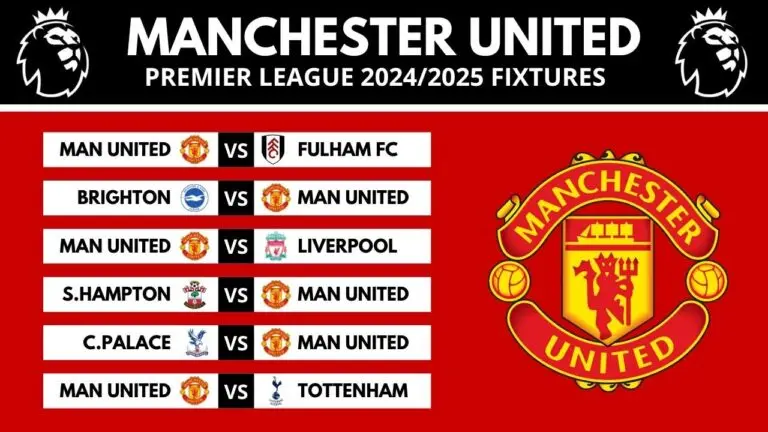
In December 2018, Solskjaer was appointed as Manchester United’s interim manager, a role that he transitioned into permanently in March 2019 following a series of impressive performances. His initial impact was undeniable, reviving a faltering team and bringing excitement back to Old Trafford. However, as results fluctuated, his managerial style was scrutinised, raising questions about the sustainability of his approach.
As of late 2023, Solskjaer has taken on a new challenge by accepting a managerial position in Norway, aiming to further develop his skills and bring a fresh perspective shaped by his experiences at a prestigious club like Manchester United. This move underscores a growing trend in football where former elite players are venturing back to their roots to foster local talent and promote football in their communities.
Conclusion
Ole Gunnar Solskjaer’s journey from a celebrated player to a sought-after manager reflects the dynamic changes in football. His contributions, both on the pitch and from the sideline, resonate with fans and aspiring coaches alike. As he embarks on his new managerial role in Norway, many will be watching closely to see how his experiences shape his future successes. Overall, Solskjaer’s influence on modern football continues to be substantial, highlighting the importance of transitioning seamlessly from player to coach in this ever-evolving sport.