Introduction
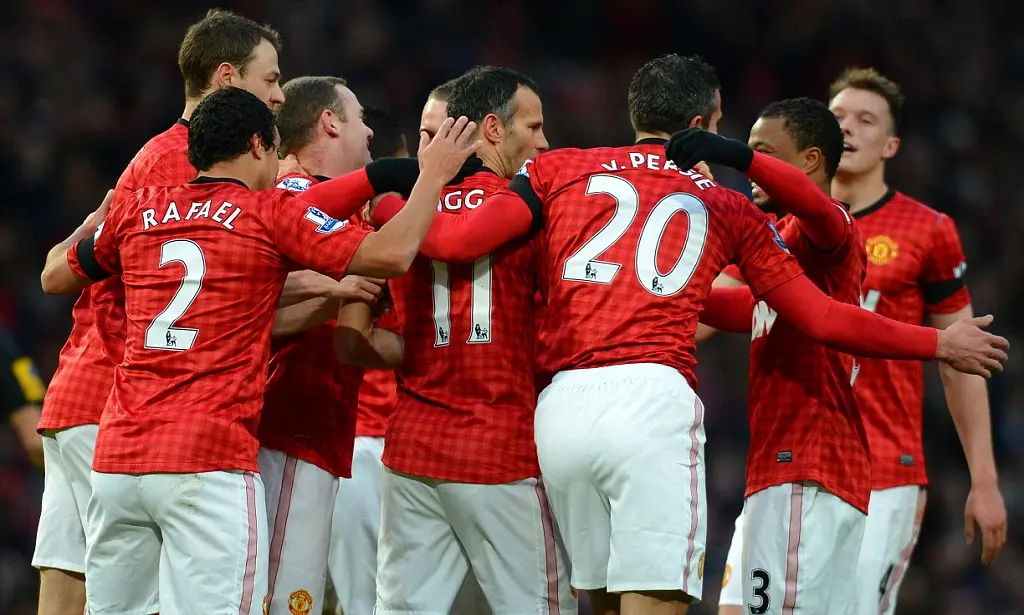
Manchester United Football Club, one of the most storied clubs in football history, holds a prominent position in both English and global sports culture. Founded in 1878, the club has amassed a loyal fan base and a rich tradition of success, making its trajectory crucial in understanding modern football.
Recent Performance
As of the start of the 2023-2024 season, Manchester United has experienced both highs and lows. Under the management of Erik ten Hag, the club aims to return to the elite ranks of the Premier League, having finished in the mid-table orders last season. The club has made significant changes in personnel, including high-profile signings and strategic player trades, hoping to rebuild a competitive squad.
Financial Overview
Manchester United remains one of the wealthiest clubs globally, with enormous revenue streams from merchandise, ticket sales, and broadcast rights. However, their recent on-field performance has raised concerns over financial sustainability, prompting discussions about the need for investment in player development and infrastructure.
Concerns and Challenges
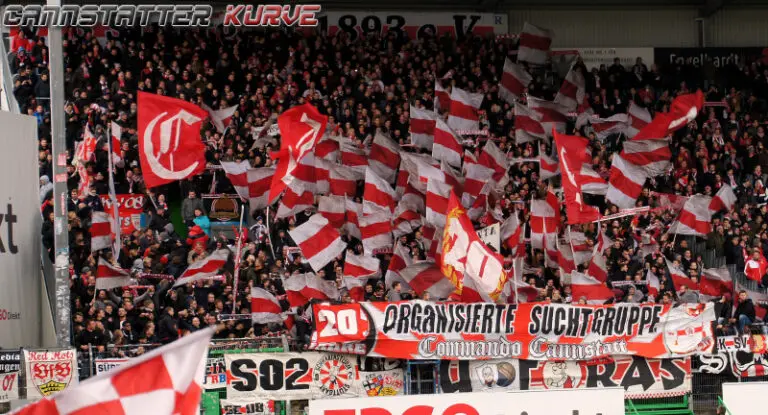
Fan dissatisfaction has reached new heights, with protests against the Glazer family, the club’s ownership, who are often blamed for the decline in performance and lack of investment in the squad. This unrest has been compounded by disappointing results on the pitch, making it imperative for club leadership to address both operational and performance-related issues promptly.
Conclusion and Future Outlook
Manchester United’s ongoing saga continues to unfold, as they strive to restore their status as a top contender in both domestic and European competitions. With renewed investments and a clear strategic vision, the club aims to navigate these turbulent waters. For fans and stakeholders, the upcoming season presents both a challenge and an opportunity; they hope to witness the club reclaim its former glory as a leading force in football.