Introduction
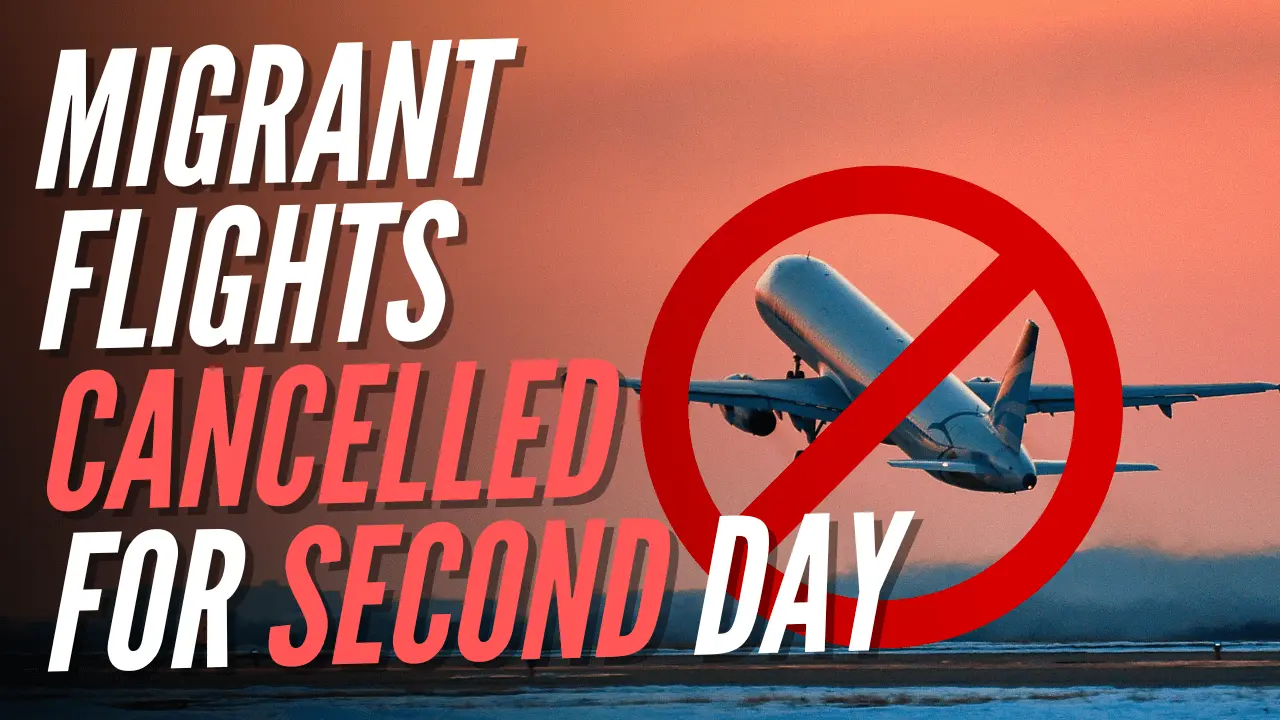
The cancellation of migrant flights has emerged as a pressing humanitarian concern in Europe, particularly given the ongoing migration crisis exacerbated by socio-political factors worldwide. These cancellations not only affect the immediate transport of migrants seeking asylum but also reflect broader issues regarding international obligations and the treatment of vulnerable populations.
Current Events
In a recent announcement, several European countries, including Italy and Greece, have reported significant cancellations of flights intended for migrants. According to data from the International Organization for Migration (IOM), over 7,000 migrants were set to be relocated across various EU member states but were left stranded due to unexpected flight cancellations. The cancellations were attributed to airline operational issues and fluctuating governmental migration policies.
The situation has raised alarms among advocacy groups that stress the urgent need for comprehensive migration policies and effective asylum procedures. The Refugee Council in the UK stated, “The gutting of migrant flight services is a stark reminder of the bureaucratic impasse we face in Europe regarding the treatment of those fleeing perilous situations.”
Community and Political Responses
Local communities and humanitarian organisations have expressed outrage and concern over the cancellations. In a public statement, the European Council called upon member states to ensure that such cancellations do not impede the rights of migrants and asylum seekers in the region. Community support groups are mobilizing to provide aid to the stranded migrants, who are often left without basic necessities.
Simultaneously, political figures have begun to weigh in on potential long-term solutions. Some advocated for a more robust international cooperation framework on migration, while others called for stricter immigration policies, illustrating the divided perspectives on how best to proceed. The ongoing discourse has led to varying responses in national parliaments, which could reshape immigration laws and fly routes in the near future.
Conclusion
The recent cancellations of migrant flights bring to light the complex interplay between policy, operations, and humanitarian needs. As Europe grapples with these challenges, the implications for thousands of migrants are profound. Experts forecast that if flight cancellations persist, we might see a surge in irregular migration attempts as individuals seek alternative routes to safety. Consequently, it is essential for policymakers to address these issues effectively, ensuring that the rights and welfare of migrants remain at the forefront of their discussions. The resilience of communities and the responsiveness of governments will be critical in navigating this ongoing crisis.