Introduction
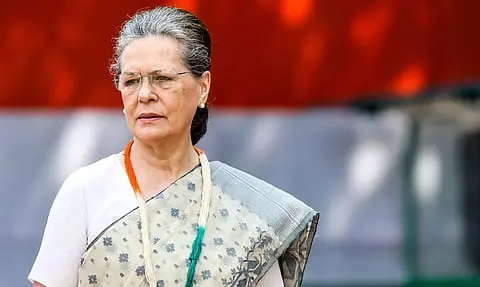
Sonia Gandhi, a prominent figure in Indian politics and the leader of the Indian National Congress (INC), plays a crucial role in shaping the future of the party and the political landscape of India. As the longest-serving president of the Congress party, her influence extends beyond party lines, cementing her status as a key player in Indian democracy. This article explores her recent activities, the challenges she faces, and her significance in contemporary Indian politics.
Sonia Gandhi’s Political Journey
Sonia Gandhi entered Indian politics in the mid-1990s, following the assassination of her husband, Rajiv Gandhi. She rose to prominence quickly, becoming Congress party president in 1998. Under her leadership, the party has faced significant highs and lows, winning power in the 2004 general elections and forming the United Progressive Alliance (UPA) government. However, her tenure has not been without challenges, including allegations of nepotism and declining electoral support in recent years.
Current Developments
Recently, Sonia Gandhi has been vocal about the Congress party’s direction amidst a tough political climate, particularly in the face of the Bharatiya Janata Party’s (BJP) rising influence. In a recent rally, she emphasised the urgency of unity within the opposition to reclaim lost ground and to address pressing issues such as unemployment, inflation, and social justice. Her call for solidarity comes at a time when several state elections are approaching, which could significantly impact the Congress party’s future.
Moreover, the Congress party is preparing for the general elections scheduled for 2024, and Sonia Gandhi’s leadership will be pivotal in strategising and mobilising support. Analysts suggest that her ability to forge alliances and connect with the grassroots will be essential in countering the BJP’s stronghold.
Conclusion
Sonia Gandhi remains an influential and polarising figure in Indian politics. Her enduring presence in the Congress party highlights the complexities of Indian political dynamics and the challenges faced by opposition parties. As the political landscape evolves and with critical elections on the horizon, her role will be significant in shaping the strategies of the Congress party and addressing the aspirations of the Indian electorate. Many analysts believe that her leadership could determine the future trajectory of not only the Congress party but also the overall health of Indian democracy.