Introduction
The internet has given rise to numerous cultural phenomena, but few have captured the public’s imagination as profoundly as Pepe the Frog. Originally created by artist Matt Furie in his comic series “Boy’s Club,” Pepe began as a harmless character embodying various emotions, quickly morphing into an emblem of internet culture. The relevance of Pepe today extends beyond mere memes; it delves into discussions on identity, art, and politics, making it a significant topic in contemporary society.
Origins and Evolution of Pepe
Pepe first appeared in 2005 in Furie’s comic, quickly becoming popular on platforms like Myspace and 4chan. Originally depicted as a laid-back frog saying, “Feels good man,” Pepe represented a sense of carefree living. As user-generated content proliferated, the character evolved through various adaptations—ranging from the benign to the absurd—and became a staple in meme culture, representing numerous feelings including sadness, joy, and cynicism.
The Controversy
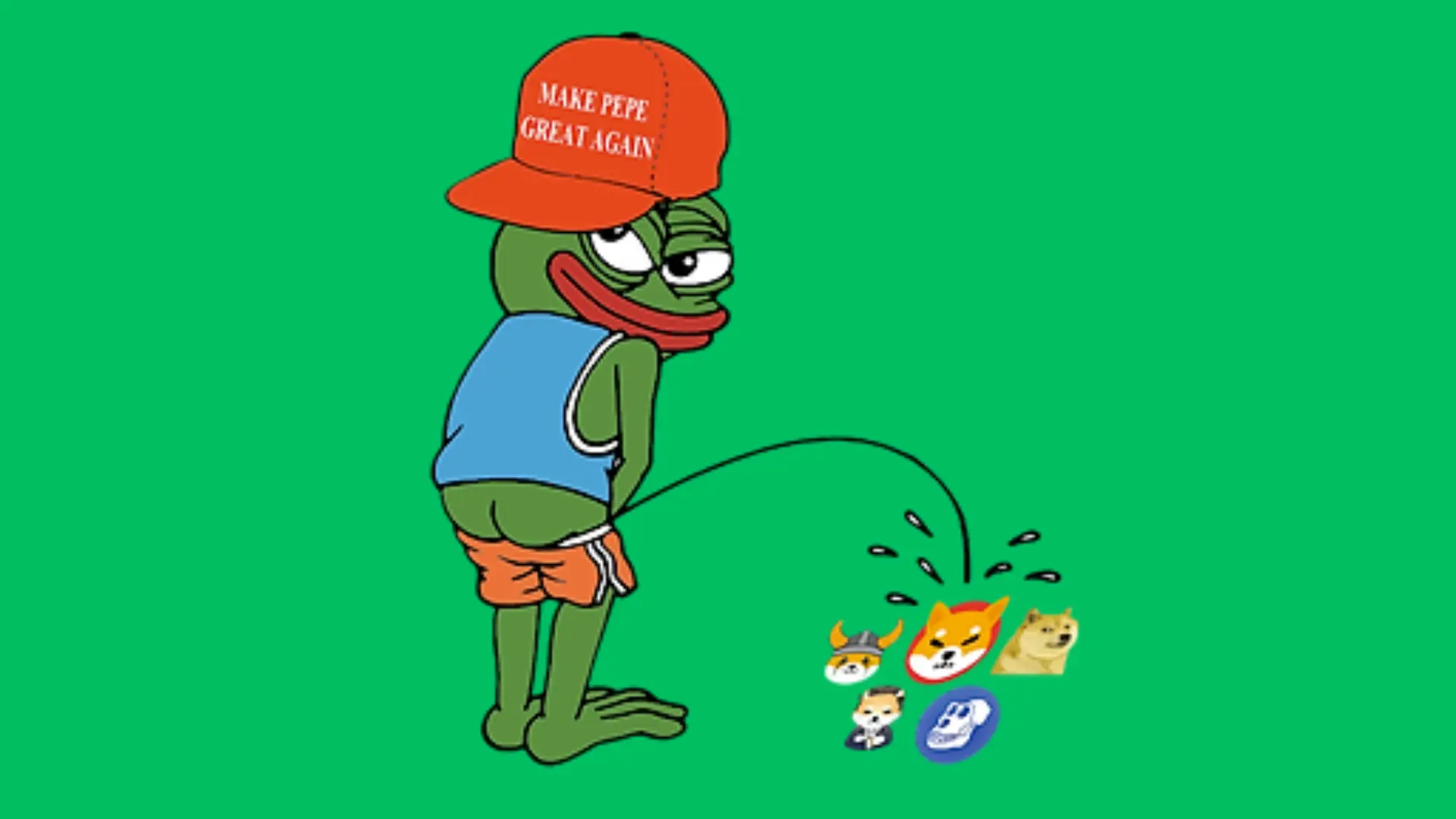
However, the rise of Pepe was not without controversy. In 2015, during the United States presidential election, various internet users appropriated the character for political purposes, notably aligning Pepe with right-wing extremist movements. This transformation culminated in the Anti-Defamation League (ADL) officially designating Pepe as a hate symbol in 2016, a significant shift from its original purpose. Furie had expressed dismay at the hijacking of his creation, stating he wished to reclaim Pepe’s narrative, leading to efforts like the #SavePepe campaign.
The Reclamation and Future of Pepe
In recent years, efforts have emerged to reclaim Pepe for positive representation. Furie has actively sought to redefine the character’s legacy, even participating in campaigns that showcase Pepe in constructive contexts. Although Pepe continues to be a divisive symbol, the narrative is changing, suggesting a complex evolution that may not rest solely in the hands of extremists.
Conclusion
The journey of Pepe the Frog reflects broader themes of internet culture, creativity, and the potential for symbols to take on new meanings. As debates persist over its interpretation, Pepe serves as a case study into how art, culture, and politics intertwine in the digital age. For readers and creators alike, Pepe’s story prompts reflection on the power of imagery and community within the evolving landscape of the internet.