Introduction
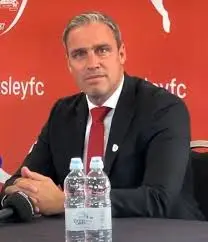
Michael Duff, once a celebrated footballer, has transitioned seamlessly into a prominent managerial role in professional football. His journey from player to manager is not only inspiring but also highlights the growing trend of former players stepping into coaching positions. As football evolves, the importance of effective management continues to be a key factor in determining a team’s success, making Duff’s role and accomplishments particularly relevant in today’s game.
Achievements and Current Role
Michael Duff began his managerial career at Cheltenham Town, where he took charge in 2020. His tactical acumen and leadership skills became evident as he led the team to promotion from League Two to League One, showcasing his ability to enhance player performance and foster teamwork. His approach integrated modern coaching techniques with a strong respect for traditional football values, resonating well with both players and fans.
In 2023, Duff took the reins at Barnsley FC, a club with a rich history in English football. His appointment follows a challenging season for the team, and Duff’s record of nurturing young talent has raised hopes among supporters. In his first few games, he has already begun instilling a sense of discipline and a winning mentality within the squad, which has been crucial in building momentum for the season.
Impact on the Community and Future Prospects
Beyond the tactical field, Michael Duff has also shown a commitment to community engagement. He has implemented initiatives aimed at reconnecting the club with its local fanbase, which is essential in fostering loyalty and support. Such efforts underscore the growing responsibility of football clubs to be pillars of their communities, an ethos that Duff embodies.
Looking ahead, Duff’s career trajectory appears bright. With each game, he earns respect not just as a manager but as a leader capable of changing the fortunes of clubs. Analysts suggest that his ability to adapt to challenges and strategically develop players could propel Barnsley FC into a stronger league position. Furthermore, his growing reputation might position him for roles at even higher tiers of football in the coming years.
Conclusion
Michael Duff’s rise in the football management realm signifies an exciting chapter for fans and players alike. His solid foundation as a former player combined with innovative management tactics showcases the potential of the modern football manager. For readers and fans, following Duff’s journey promises insight into the evolving nature of football management and the impact of dedicated leadership on team success.