Introduction
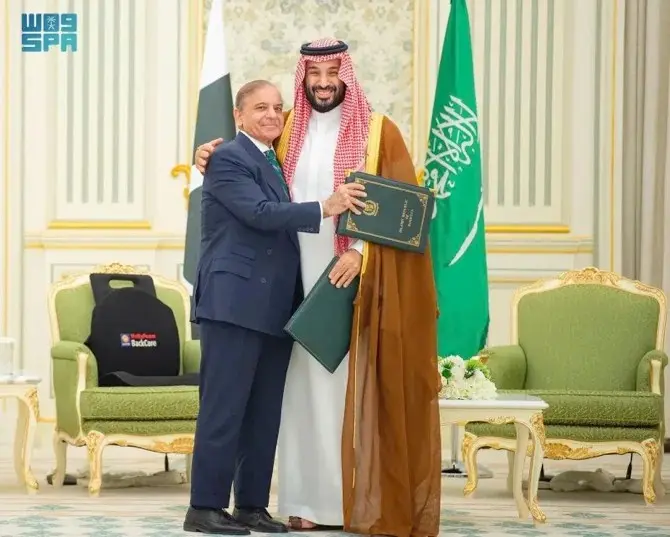
The recent defence pact between Saudi Arabia and Pakistan marks a significant milestone in military and strategic cooperation between the two nations. Amid rising regional tensions and evolving geopolitical landscapes, this pact holds considerable importance for both countries and the broader Middle East and South Asian regions. The agreement not only enhances military collaboration but also reinforces economic ties, signalling a deeper partnership in a troubled era.
Details of the Defence Pact
The details of the defence agreement were unveiled during a high-profile visit by Saudi officials to Islamabad. The pact includes provisions for joint military training, intelligence sharing, and collaborative defence production. This strategic partnership aims to bolster Pakistan’s military capabilities while providing Saudi Arabia with a reliable ally in South Asia. Defence Minister of Pakistan, Khawaja Muhammad Asif, highlighted the significance of this agreement, stating that it would ensure greater security for both nations and contribute to regional stability.
Recent events in the region, including the escalating tensions between India and Pakistan, have prompted a greater focus on military preparedness. Furthermore, Saudi Arabia’s interests in countering Iranian influence in the region have led to enhanced military cooperation with Pakistan, a crucial player in counter-terrorism operations.
Geopolitical Implications
This pact is expected to reshape the geopolitical dynamics within South Asia and the Middle East. Analysts suggest that it may lead to a resurgence of defence collaboration among other Middle Eastern nations, potentially aligning more closely with Pakistan against common threats. Countries such as Turkey and Egypt have also expressed interest in enhancing ties with Pakistan, especially in light of this new partnership.
Conclusion
The Saudi Arabia Pakistan defence pact represents a pivotal development in both security and diplomatic relations. As the two countries forge ahead with their military collaboration, this agreement could serve as a template for future alliances within the region. It is anticipated that enhanced military cooperation will allow both nations to navigate the complex challenges ahead, while also potentially stabilising the broader area. Observers are eager to see how this partnership evolves and whether it will lead to a shift in power dynamics across the regions concerned.