Introduction
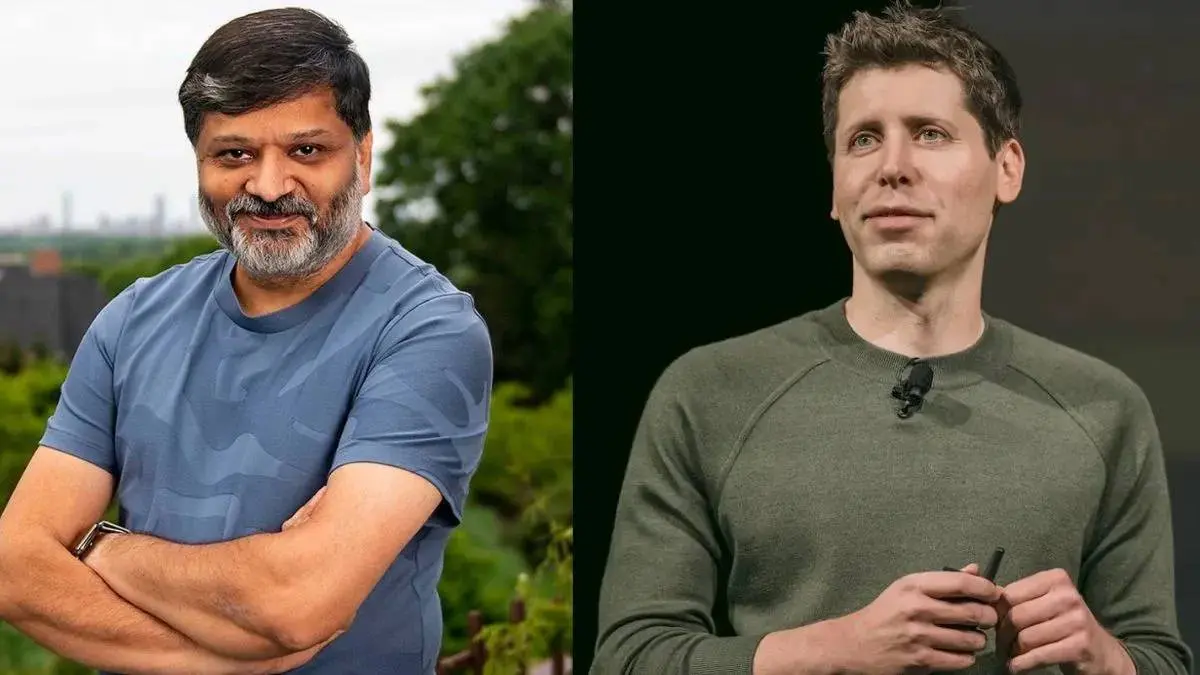
Sam Altman, renowned as a key figure in the technology sector, is at the forefront of innovation, particularly in artificial intelligence (AI). As CEO of OpenAI, he has become a significant player in the ongoing debate surrounding AI’s role in society. Given the rapid advancements in AI technology and its implications for various industries, understanding Altman’s influence provides valuable insights into the future trajectory of this field.
Career Highlights
Before taking the helm at OpenAI, Sam Altman was the president of the startup accelerator Y Combinator, where he helped launch over 1,400 companies, including notable names like Airbnb and Dropbox. His ability to identify and nurture groundbreaking ideas contributed significantly to the tech ecosystem. In 2015, he co-founded OpenAI with the mission to ensure that artificial general intelligence benefits humanity as a whole.
Recent Developments at OpenAI
Under Altman’s guidance, OpenAI has made substantial developments in AI technology. The release of GPT-3 and subsequently ChatGPT has transformed various sectors by providing advanced language processing abilities. These developments have drawn both acclaim and scrutiny, as concerns about ethical implications and the potential for misuse continue to arise.
In early 2023, Altman announced that OpenAI would be implementing more robust safety measures and ethical guidelines for AI deployment. This initiative followed a wave of caution from industry leaders regarding AI accountability and governance. Altman’s proactive approach to addressing these concerns reinforces his commitment to responsible innovation.
The Future of AI and Altman’s Vision
As AI technologies continue to evolve, Altman’s vision includes not only enhancing AI capabilities but also ensuring equitable access and benefits for everyone. He advocates for collaboration between governments, tech companies, and the public to create a framework that manages AI risks while fostering innovation.
Conclusion
Sam Altman’s influence in the tech landscape cannot be understated. As he continues to lead OpenAI towards groundbreaking advancements, his emphasis on ethical AI development will likely shape industry standards. For readers, understanding Altman’s contributions offers a glimpse into the potential future of AI, highlighting the importance of responsible innovation in our increasingly digital world. The trajectory of AI under Altman’s leadership will surely have lasting implications across various facets of society, making it a crucial topic for continued observation.