Introduction
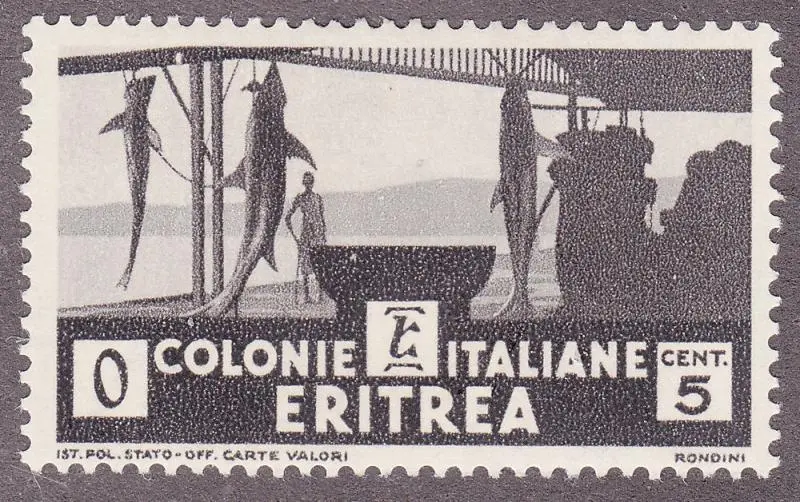
Eritrea, a small nation in the Horn of Africa, has garnered attention in recent months due to its complex geopolitical landscape and domestic challenges. The country, which gained independence from Ethiopia in 1993, has been under the ruling party PFDJ for over two decades, facing international scrutiny over its human rights record and political repression. Understanding Eritrea’s current developments is crucial for grasping broader regional dynamics and the implications for neighbouring countries and international actors.
Political Landscape and Recent Events
The political situation in Eritrea continues to be tightly controlled, with President Isaias Afwerki maintaining a firm grip on power. In recent news, Eritrea has attempted to enhance its diplomatic presence in the region, especially given the changing relations with Ethiopia. Following the peace agreement with Ethiopia in 2018, there have been discussions regarding trade and cross-border cooperation; however, tensions remain intact due to past conflicts.
The government has also faced ongoing criticism from international human rights organisations. A recent report from Amnesty International highlighted issues such as arbitrary detention, torture, and enforced military service that lasts indefinitely for many Eritreans. These reports assert that individuals, particularly from minority groups, face systemic persecution, leading many to flee the country in search of asylum.
Humanitarian Issues
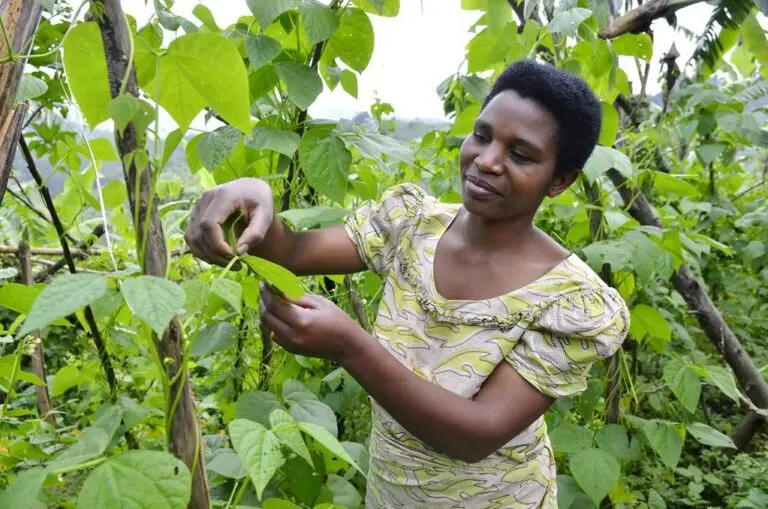
In addition to political concerns, Eritrea is dealing with significant humanitarian issues. The COVID-19 pandemic has exacerbated existing economic hardships, with the country facing acute food insecurity due to recurrent droughts and ongoing locust infestations that have damaged agricultural production. The United Nations has classified Eritrea as one of the countries that will require significant international aid to address its food shortages.
Conclusion
The future of Eritrea remains uncertain as it navigates its internal strife and external diplomatic relations. The recent developments, both positive and negative, highlight the importance of continued international engagement with Eritrea to promote stability and address humanitarian needs. Observers anticipate that any shift in Ethiopia’s political scenario, combined with global intervention, could lead to transformative changes in Eritrea’s socio-political environment. For those tracking the region, understanding Eritrea’s trajectory is essential, as it holds significant implications for the Horn of Africa and beyond.