Introduction
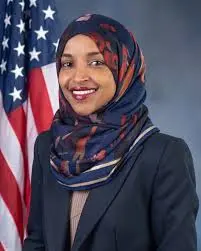
Ilhan Omar, the U.S. Representative for Minnesota’s 5th congressional district, is a prominent figure in American politics. As one of the first two Muslim women elected to Congress in 2018, alongside Rashida Tlaib, Omar’s presence has marked a significant shift in the representation of minority groups within the U.S. government. Her journey from a refugee in Somalia to a widely recognized political leader underscores the importance of diversity and inclusion in governance, resonating with many across the nation.
Background and Achievements
Born in Mogadishu, Somalia, Omar arrived in the United States as a refugee in 1995. She quickly became involved in community organising, advocating for social justice and governmental accountability. After serving in the Minnesota State Legislature, Omar was elected to Congress in 2018. Since her tenure began, she has focused on several key issues, including immigration reform, healthcare for all, climate action, and the fight against systemic racism.
Omar’s influence extends beyond her policy initiatives. She is known for her vocal criticism of the Trump administration and its immigration policies, using her platform to amplify the voices of marginalized communities. Her advocacy has led to national conversations about the rights of refugees and immigrants, making her a key figure in progressive movements.
Current Events and Challenges
In recent months, Omar has faced significant challenges, including receiving backlash for her outspoken views on Israel and Palestine. Her comments have sparked controversy and have led to both praise and condemnation from different political factions, revealing the polarized nature of American politics today. Despite the challenges, Omar continues to push for her ideals and remains a steadfast advocate for her constituents.
Conclusion
Ilhan Omar’s journey reflects the changing landscape of American politics, as more diverse voices find their way to power. Her advocacy for progressive policies and her candid approach to contentious issues have made her a significant figure in Congress. As the political climate evolves, Omar’s role may further expand, influencing younger generations and encouraging more inclusive representation in government. Her story is not only about personal triumph but also a call for a broader understanding of the complexities in American society.