Introduction
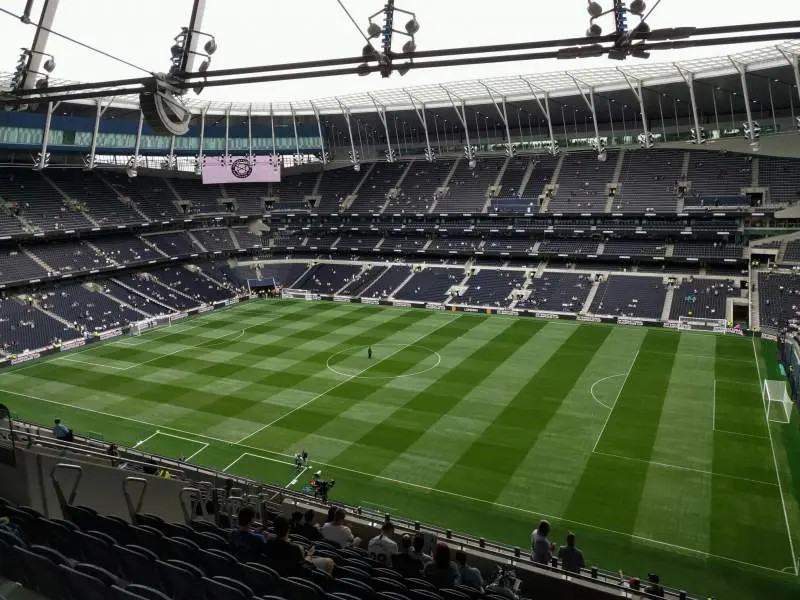
The Tottenham Hotspur Stadium, which opened in April 2019, has quickly established itself as a cornerstone of modern football and an architectural marvel. As one of the most advanced stadiums in the world, it serves not only as the home ground for Tottenham Hotspur Football Club but also as a multi-purpose venue for various events, further enhancing its importance to both sports enthusiasts and the local community.
A State-of-the-Art Facility
With a seating capacity of 62,850, the Tottenham Hotspur Stadium is the largest club football stadium in London. Built with a focus on fan experience, it features the latest technology, including a retractable pitch that allows for hosting American football games and concerts, significantly broadening the range of events that can be held at the venue. The stadium’s cutting-edge facilities, including high-definition video screens and excellent acoustics, have set a new standard for what fans can expect.
Economic and Social Impact
The stadium’s construction was a significant investment not only for Tottenham Hotspur but also for the local economy. The project was part of a larger regeneration plan for the surrounding area and has contributed to creating thousands of jobs. Local business owners have reported increased footfall on match days, providing a much-needed boost in revenues. Moreover, the stadium has fostered a sense of community among fans and residents, with various outreach programs and events aimed at engaging local youth and promoting sportsmanship.
Recent Events and Future Prospects
Since its opening, the Tottenham Hotspur Stadium has hosted numerous high-profile fixtures and events, including Premier League matches, UEFA Champions League games, and NFL matches. In recent months, the venue has also served as a host for concerts featuring international artists, further establishing its reputation as a leading multi-functional venue.
Looking ahead, the stadium is expected to continue playing a pivotal role in both sports and entertainment, with plans for even more events scheduled in the coming year. This commitment to diversification not only reflects the stadium’s operational flexibility but also positions Tottenham Hotspur at the forefront of both the footballing and cultural landscapes.
Conclusion
The Tottenham Hotspur Stadium represents much more than just a venue for football matches; it is a multi-faceted hub of activity that contributes significantly to the local economy, community well-being, and the broader sporting world. As Tottenham Hotspur continues to invest in its future, the stadium stands as a symbol of ambition and innovation in football, poised to remain a vital part of London’s sporting identity for decades to come.