Introduction
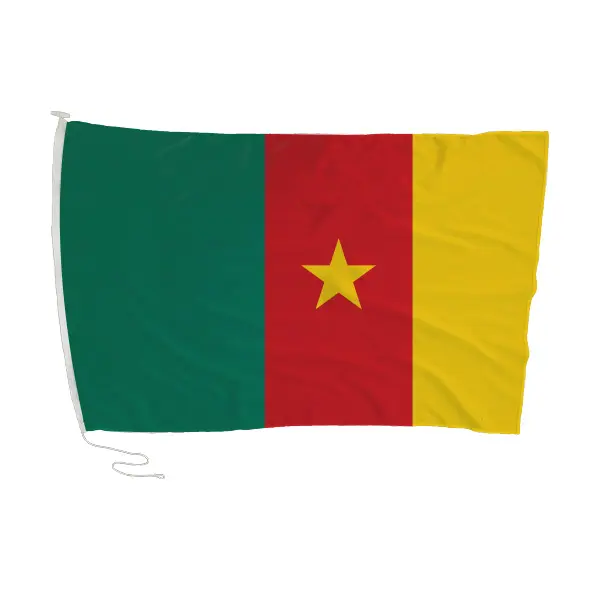
Cameroon, a central African nation known for its cultural diversity, is currently facing significant challenges and developments that affect its political landscape, economic stability, and societal cohesion. Understanding these issues is crucial, as they impact not only the local population but also the geopolitical dynamics of the region.
Political Landscape
Recently, Cameroon has been grappling with ongoing political tensions, particularly in the English-speaking regions of the Northwest and Southwest. The separatist movement, which seeks to create an independent state known as Ambazonia, has escalated clashes between government forces and separatist militants. Reports indicate that over 4,000 people have lost their lives since the start of the conflict in 2017, with countless others displaced. Human rights organisations are calling for dialogues and negotiations to alleviate the suffering of civilians caught in the crossfire.
Economic Challenges
On the economic front, Cameroon continues to face hurdles, particularly as it seeks to recover from the economic impacts of the COVID-19 pandemic. The International Monetary Fund (IMF) has indicated that Cameroon’s economy contracted by 1.5% in 2020, although a recovery of 3.2% was forecasted for 2021. However, inflation rates remain a concern, driven by increases in food prices and fuel. The government is working on various development projects, including infrastructure improvements and boosting agricultural output, to stimulate economic growth but faces constraints due to national and global economic conditions.
Social Issues and Development Efforts
Socially, Cameroon is addressing a range of issues including education and healthcare. The government has initiated several reforms to improve access to quality education in both rural and urban areas. However, the unequal distribution of resources remains a significant barrier. Additionally, the pandemic exacerbated existing healthcare challenges, with a strained system due to a lack of resources and personnel. International aid and investments are pivotal in supporting these reform efforts.
Conclusion
The current state of Cameroon presents a complex mix of challenges and opportunities. As the nation navigates its political unrest, economic recovery, and social development, it is essential for stakeholders, including the government and civil society, to engage in constructive dialogue. The international community’s role in mediating these issues could prove vital for restoring peace and fostering sustainable development. Observers remain cautiously optimistic about the prospects for stability and growth in Cameroon, hoping for effective solutions to emerge from ongoing debates and negotiations.