Introduction
The repeated incursions of Russian jets into Estonian airspace have sparked significant concern among NATO allies and raise critical questions about regional security. Such incidents not only violate national sovereignty but also increase tensions in an area already fraught with geopolitical complexities. Understanding the implications of these airspace violations is essential for comprehending the broader context of NATO-Russia relations and the ongoing security dynamics in Eastern Europe.
Incidents Overview
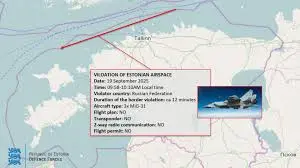
In recent weeks, the Estonian government has reported multiple incidences involving Russian military aircraft entering its airspace without permission. The most notable incident occurred on 15 October 2023, when a Russian Su-27 fighter jet crossed into Estonian airspace near the island of Kihnu, prompting swift condemnation from Estonia and a firm response from NATO. This was not an isolated incident; the Estonian Defence Forces have been tracking these unauthorized flights, reporting upwards of five incursions since the beginning of September 2023.
NATO’s Response
The NATO alliance has reiterated its commitment to the protection of member states, including Estonia, which borders Russia. Following the latest violations, NATO spokespersons emphasised the need for accountability and clear communication between Russia and NATO forces to prevent misunderstandings that could escalate into more significant conflicts. In tandem, NATO has increased air patrols and surveillance in the Baltic region to monitor Russian military activity effectively, ensuring readiness to respond to any further provocations.
Significance of the Violations
The violations of airspace by Russian jets not only threaten Estonia’s national security but also challenge the integrity of international airspace laws. Experts warn that such actions could embolden further Russian military assertiveness in the region, potentially destabilising Eastern Europe. The Baltic states, being on the frontline of potential Russian aggression, have called for a unified NATO response to deter future violations and reassure their citizens of their protection.
Conclusion
As the situation unfolds, the incidents involving Russian jets in Estonian airspace underline the delicate balance of power in Eastern Europe. The importance of robust diplomatic channels and communication between NATO and Russia cannot be overstated. With the potential for future violations looming, NATO’s commitment to collective defence remains crucial in maintaining stability in the region. Awareness and vigilance from both national and international communities are vital to ensure that airspace violations do not escalate into larger conflicts, threatening the peace in Europe.