Introduction
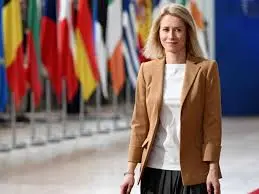
Kaja Kallas, the Prime Minister of Estonia, remains a pivotal figure in European and global politics. Since her election in January 2021, she has been at the forefront of major policy decisions, especially as the geopolitical climate evolves in response to challenges such as the COVID-19 pandemic and the Russian invasion of Ukraine. Kallas’s leadership has not only transformed Estonia’s domestic agenda but also reinforced its position within the European Union.
Political Landscape
Having previously served as a Member of the European Parliament, Kallas assumed office with a wealth of experience. As the leader of the Reform Party, her pro-European stance and commitment to digital transformation have resonated strongly within Estonia. In recent months, she has focused on economic recovery and security initiatives, which are crucial as Estonia faces potential threats from its eastern neighbour.
In response to the ongoing war in Ukraine, Kallas has been an outspoken advocate for increased military support for Ukraine and has called for enhanced NATO presence in the Baltic region. She has also led efforts to bolster Estonia’s energy independence, moving away from reliance on Russian gas and advancing investments in renewable energy sources.
Domestic Challenges
Kallas’s government has faced challenges on the home front, including managing inflation, the impact of rising energy prices, and tight labour markets. Her administration has aimed to implement policies aimed at alleviating the financial pressures on citizens while promoting economic growth. These initiatives include proposals to increase minimum wages and enhance social safety nets.
Significance for Readers
Kallas’s leadership style, characterised by transparency and a commitment to democratic values, serves as an inspiration in times of uncertainty. As the first female Prime Minister of Estonia, her role is significant not just in setting political agendas but also in inspiring the next generation of leaders. The outcomes of Kallas’s policies in the coming years could set important precedents in how smaller nations navigate complex international challenges.
In conclusion, Kaja Kallas is a remarkable leader whose impact extends beyond Estonia. By navigating through domestic and international pressures, she is contributing to a broader understanding of leadership in the 21st century, particularly in post-pandemic Europe. Observers will continue to monitor her policy decisions and their effects as global dynamics evolve.