The Rise of Oscar Pistorius
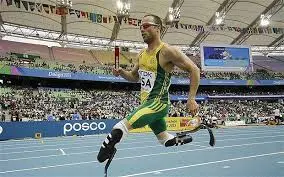
Oscar Pistorius, a South African athlete known for being the first amputee to compete in the Olympic Games, captured global attention with his inspiring journey as a Paralympic gold medallist. With both legs amputated below the knee, Pistorius became a symbol of resilience and dedication in sports, competing on the world stage and winning numerous awards and accolades.
The Fateful Incident
However, Pistorius’s life took a dramatic turn on February 14, 2013, when he shot and killed his girlfriend, Reeva Steenkamp, through a locked bathroom door in his home. The incident ignited an international media frenzy, raising questions about domestic violence, gun control, and the nature of justice.
The Trial and Conviction
Pistorius’s trial began in March 2014, and he was charged with murder. In a highly publicised court case that lasted several months, Pistorius claimed he had mistaken Steenkamp for an intruder, asserting self-defence. However, the evidence presented by the prosecution painted a different picture, showcasing a volatile relationship marked by previous incidents of violence.
In September 2014, Pistorius was found guilty of culpable homicide and sentenced to five years in prison. This verdict sparked outrage and debate, leading to appeals from both the prosecution and the defence. Ultimately, in December 2015, the Supreme Court of Appeal increased his sentence to 13 years and five months, reflecting the gravity of the crime.
The Aftermath
As of October 2023, Pistorius remains incarcerated and is expected to be eligible for parole in the coming years. His case has had a profound impact on discussions surrounding justice in South Africa, particularly regarding issues of gender-based violence. Activists have pushed for reforms and a greater focus on victim support, using Pistorius as an emblem of the systemic failures present in handling domestic violence cases.
Conclusion
Oscar Pistorius’s story is a poignant reminder of the complexity of human behaviour, fame, and the pursuit of justice. While he once inspired millions with his athletic achievements, his actions and subsequent conviction have tarnished his legacy irrevocably. As society continues to grapple with the implications of his case, it remains crucial to foster dialogue about violence and accountability, and ensure that the voices of victims are heard and prioritised.