Introduction
The cost of living payment has emerged as a crucial financial measure in light of the ongoing economic challenges facing households in the UK. With inflation rates soaring, the government has introduced this payment to help mitigate financial strain on lower-income groups and vulnerable populations, ensuring that they can meet their essential needs during these trying times.
Details of the Cost of Living Payment
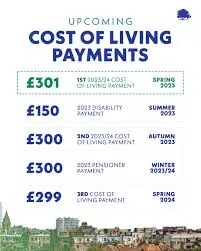
The UK government announced a series of cost of living payments in 2023, totalling £900 for eligible households. This support is part of a wider strategy to combat the escalating cost of essentials like food and energy. The first tranche of payments, amounting to £301, was issued to eligible individuals in April, followed by additional payments scheduled throughout the year, including £300 in the autumn and £299 in early 2024.
Eligibility for these payments is primarily based on an individual’s income, with priority given to those receiving Universal Credit, Pension Credit, or other means-tested benefits. This targeted approach aims to direct aid to those most in need, facilitating financial stability within struggling families.
Significant Developments
Recent surveys indicate that many Midlands families have already started receiving their cost of living payment, making a positive impact on their monthly budgets. Individuals have reported spending the funds on critical expenses such as groceries and heating bills, reinforcing the necessity of these supports in current economic conditions.
Moreover, the government has also launched a campaign to ensure that eligible recipients are aware of their entitlement. This includes informational materials and outreach efforts aimed at facilitating applications for those who may be unsure of their eligibility. As many as 8 million households are expected to benefit from this initiative in the upcoming months.
Conclusion
The cost of living payment represents a critical lifeline for millions of households in the UK amid intensified financial strain. As inflation continues to pose challenges, these payments are not only vital for immediate relief but also reflect broader governmental efforts to tackle economic disparities. Looking ahead, it remains paramount for the government to continually assess the effectiveness of these payments and expand support mechanisms for the most vulnerable, ensuring that essential needs are met even as economic conditions fluctuate.