Introduction
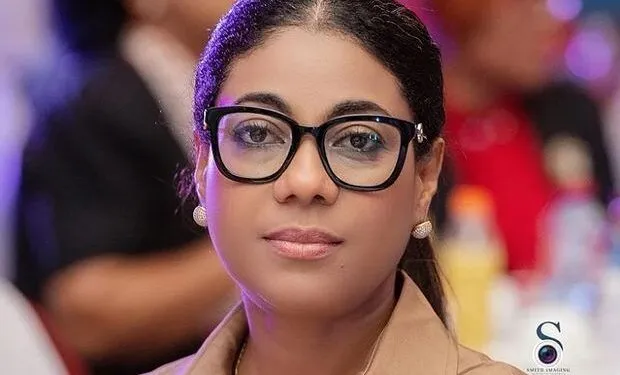
Emily Carver has emerged as a significant figure in British media, particularly noted for her incisive commentary on social and political issues. Her unique perspective resonates with a diverse audience, making her a valuable voice in contemporary discussions around key societal challenges. As the media landscape continues to evolve, understanding the contributions of influential figures like Carver is crucial for both the industry and the public.
Emily Carver’s Background
Born in England, Carver cultivated her passion for media and communication from a young age. She graduated with a degree in Political Science from the University of London and began her career in broadcasting and journalism. Notably, she served as a researcher and presenter on various platforms, where her analytical skills began to shine. Carver’s commitment to exploring complex ideas with clarity and precision quickly garnered attention.
Notable Contributions
In recent months, Emily Carver has gained prominence particularly as a commentator on current affairs. She is known for her articulate representation of pressing issues such as climate change, social justice, and political accountability. Her work includes regular appearances on talk shows and podcasts, where she engages in discussions that challenge mainstream narratives.
One of her standout moments was her participation in a recent debate on climate policy, where she advocated for actionable solutions over rhetoric. Carver’s ability to blend empirical evidence with passionate argumentation reinforces her reputation as an insightful thought leader. In September 2023, she also launched her own podcast, which focuses on grassroots movements and societal change, further expanding her reach and influence.
Public Engagement and Advocacy
Beyond her media appearances, Emily Carver is actively involved in community initiatives aimed at fostering dialogue and activism. Her commitment to education and empowerment is evident through workshops and seminars where she trains aspiring journalists and advocates on effective communication techniques. Her initiatives have not only inspired many young people but have also begun to influence the broader narrative in media about the importance of representation and inclusive discussions.
Conclusion
Emily Carver’s influence in media is on the rise, and her contributions are proving significant in fostering discussions about essential societal issues. As she continues to engage with the public and influence opinion, many are keeping an eye on her future moves, expecting her to challenge existing narratives further. For readers, following Carver’s work offers insights not only into contemporary issues but also inspires a deeper understanding of the media’s role in shaping public discourse. As she aligns her journalistic efforts with advocacy, Emily Carver is set to remain a key player in the media landscape for years to come.