Introduction
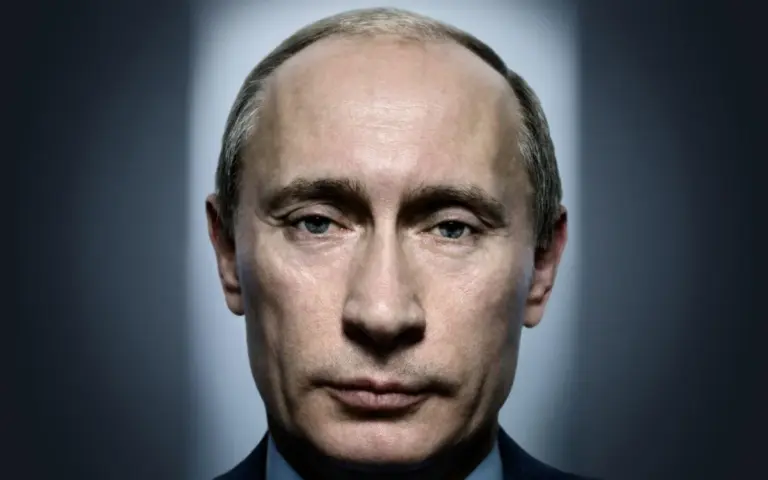
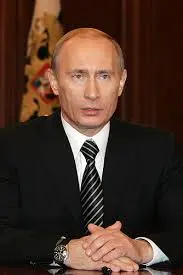
Vladimir Putin, as the President of Russia, plays a crucial role on the international stage, particularly amidst rising tensions in global politics. His decisions resonate beyond Russia, affecting diplomatic relations, security dynamics, and economic stability worldwide. Understanding the implications of Putin’s leadership is essential for anyone interested in current affairs.
Key Developments in Putin’s Administration
In recent months, several significant events have dominated the discourse around Vladimir Putin. The ongoing conflict in Ukraine remains at the forefront, with Russia continuing to face international condemnation for its military actions. The latest reports indicate that Putin has vowed to sustain military support for the separatist regions of Eastern Ukraine, further exacerbating tensions with NATO and the West.
Furthermore, domestic socio-economic issues, including rising inflation and public discontent, continue to challenge his administration. Nevertheless, Putin’s government maintains a firm grip on the narrative through state-controlled media, framing these issues within the context of external threats to Russian sovereignty.
Implications of Putin’s Foreign Policy
Putin’s approach to foreign policy reflects a blend of assertiveness and strategic pragmatism. Notably, he has sought to strengthen ties with countries like China and India, presenting a united front against Western sanctions. The recent bilateral agreements illustrate an effort to bolster economic cooperation, potentially reducing Russia’s reliance on Western markets.
Moreover, the geopolitical landscape is shaken by increasing tensions between Russia and the West, particularly concerning military exercises in Eastern Europe and the Arctic. Analysts predict that this could manifest in a new arms race or the reconfiguration of alliances, with nations reassessing their security postures in response to perceived threats from Russia.
Conclusion and Outlook
As Vladimir Putin continues to navigate complex domestic and international challenges, his policies are likely to remain a focal point in global discussions. The potential ramifications of these developments not only impact Russia but also have far-reaching consequences for international peace and stability. Observers are keenly watching how Putin’s strategies will evolve in response to internal pressures and external criticisms. Understanding these dynamics is crucial for predicting future trends in global politics and security.