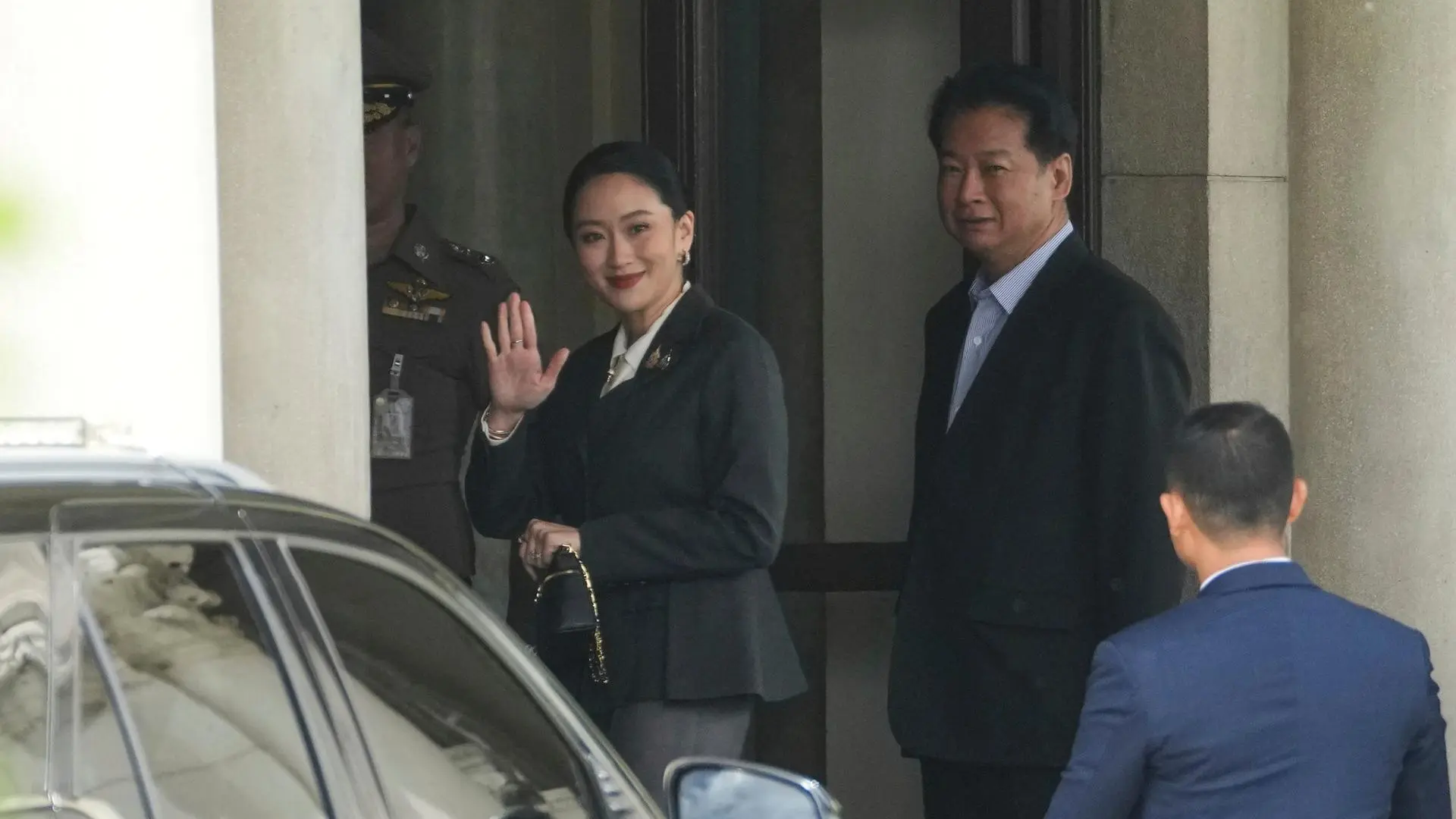
Introduction
As Thailand approaches its next general elections, the ascent of Paetongtarn Shinawatra has garnered international attention. As the daughter of former Prime Minister Yingluck Shinawatra and the granddaughter of Thaksin Shinawatra, she is not only part of a prominent political dynasty but also represents a potential shift in Thailand’s political landscape. Her legacy, coupled with the challenges and opportunities facing the country’s democracy, makes her a significant figure to watch in the coming months.
Background and Political Aspirations
Born on 21st March 1987, Paetongtarn hails from a lineage deeply entwined with Thailand’s political sphere. Following her academic pursuits in both Thailand and the United States, she joined the family’s political realm and has since been an influential voice within the Pheu Thai Party. In January 2022, she was appointed as the party’s ‘Chief of the People’s Sector’, where she began to consolidate her public image as a leader capable of connecting with the younger generation of voters.
In the last election cycle, Paetongtarn campaigned vigorously, advocating for social equity, economic recovery, and transparency in governance. Her policies resonate with many, particularly amid Thailand’s post-pandemic recovery struggles. The youth of Thailand, who have been vocal regarding their dissatisfaction with the current political establishment, see her as a symbol of hope and change.
Recent Developments
As the political landscape becomes increasingly competitive, Paetongtarn’s candidacy is set against a backdrop of mounting pressure from rival parties and internal party dynamics. The resurgence of the opposition, particularly from pro-establishment factions and newly formed parties, has necessitated a robust counter-strategy by Paetongtarn and her campaign team. Recent polls indicate a fluctuating voter base, showcasing the challenges ahead for her and the Pheu Thai Party.
Moreover, Paetongtarn’s image has not been without scrutiny. Critics have raised concerns about her ability to separate from her family’s controversial past and the historical implications that continue to haunt the Shinawatra name. Addressing these issues with transparency and modern political strategies will be crucial for her success.
Conclusion
The upcoming elections will be pivotal for Paetongtarn Shinawatra, not just to solidify her family’s legacy but also to genuinely influence the direction of Thailand’s political future. As she navigates the complex socio-political landscape, her ability to resonate with the electorate will determine her fate. Observers will closely watch how she balances traditional political expectations with the demands for reform and transparency from a new generation of voters. The significance of her role in these elections will undoubtedly shape the future of democracy in Thailand, making her a figure worth following.