Introduction
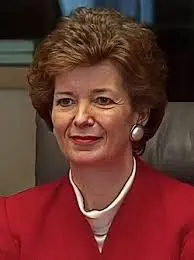
Mary Robinson, the first female President of Ireland, has emerged as a significant figure in the fields of human rights and climate justice. Her relevance extends beyond Ireland as she champions equality and sustainable development on a global scale. As the climate crisis intensifies, her work resonates more than ever, highlighting the urgent need for global cooperation and humane policies.
Early Life and Political Career
Born on May 21, 1944, in Ballina, County Mayo, Robinson pursued a career in law after graduating from Trinity College Dublin and University College Dublin. She entered politics in the late 1960s and became a senator, later serving as Ireland’s President from 1990 to 1997. Robinson’s presidency was marked by her efforts to promote peace and reconciliation, particularly during the tumultuous years in Northern Ireland.
Human Rights Advocacy
After her presidency, Robinson served as the United Nations High Commissioner for Human Rights from 1997 to 2002. In this role, she highlighted issues such as poverty, racism, and women’s rights. Robinson’s tenure was characterised by her insistence on the interdependence of human rights and development. Following her UN role, she established the Mary Robinson Foundation – Climate Justice, which focuses on addressing the impacts of climate change on vulnerable communities through the lens of human rights.
Recent Developments and Initiatives
In 2023, Robinson has continued to exert influence, advocating for urgent climate action at international forums, including COP meetings. Her recent speeches emphasise the disproportionate impact of climate change on the poorest and most marginalised groups. Robinson also works closely with youth activists globally, urging leaders to listen to the voices of the next generation in policy-making related to climate and social justice.
Conclusion
Mary Robinson’s commitment to human rights and climate justice positions her as a pivotal figure in today’s socio-political landscape. As nations grapple with the impacts of climate change and social inequality, her advocacy serves as both a warning and a guide. By highlighting the interconnectedness of these issues, Robinson reminds us all of our shared responsibility toward a more just and sustainable world. Her legacy will likely inspire future generations to continue the fight for equal rights and climate action, ensuring that her impactful voice is not just heard but acted upon.