Introduction
The encounters between Russian pilots and NATO forces have become a focal point for discussions surrounding international security and military readiness. These incidents not only heighten tensions but also test the protocols and engagement strategies of both parties involved. As geopolitical tensions escalate, understanding the nature of these encounters is essential for grasping the broader implications for European and global peace.
Details of Recent Encounters
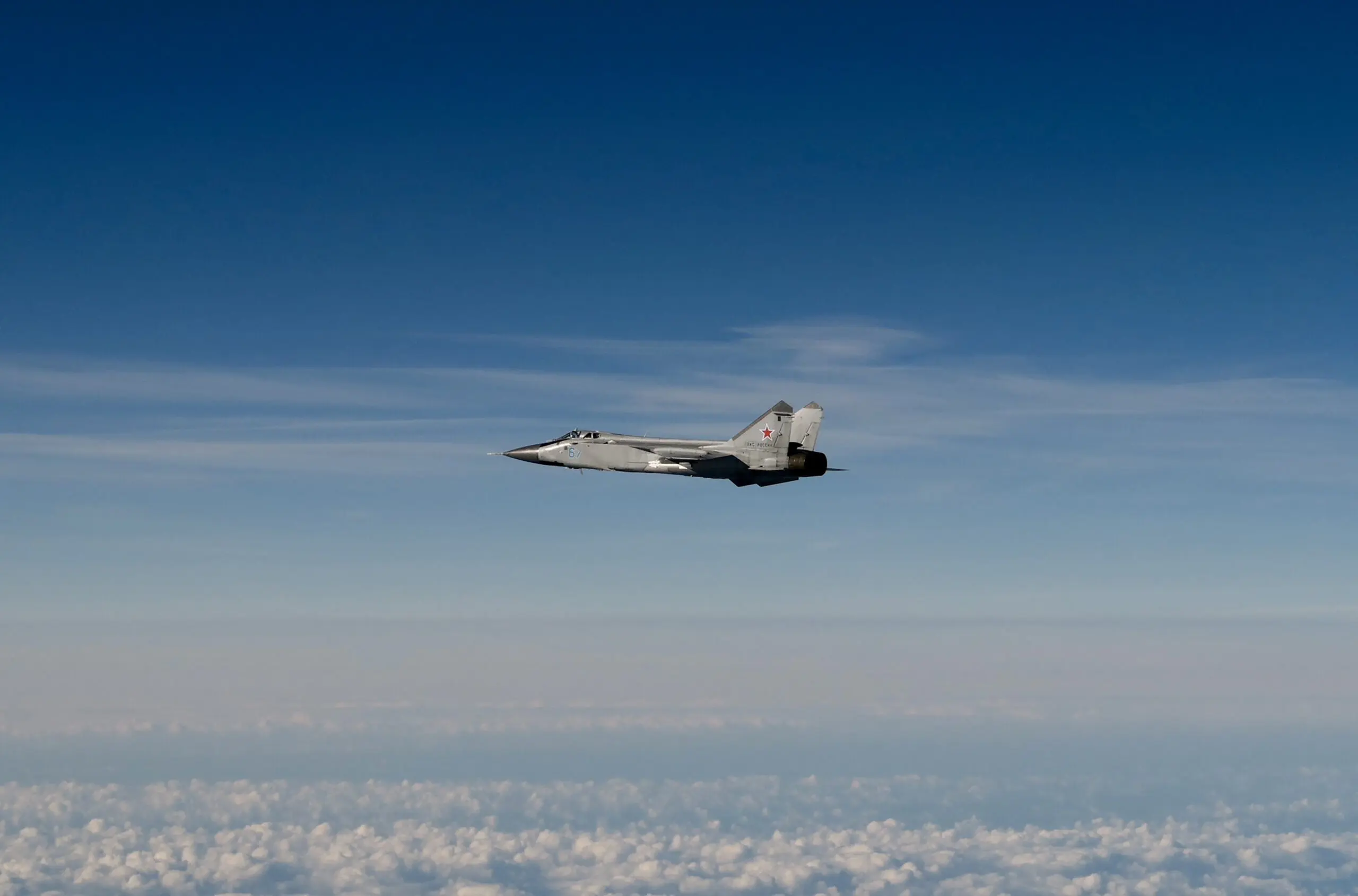
In recent months, NATO has reported a marked increase in encounters with Russian military aircraft operating near its airspace. The European Union and NATO have expressed concern over these incidents, emphasizing the potential for miscalculation. For instance, during joint military exercises conducted by NATO in Scandinavia, Russian fighter jets have approached NATO territories without prior communication, leading to prompt defensive measures by NATO aircraft.
Reports indicate that on several occasions, Russian fighters have engaged in provocative stunts near NATO jets, further escalating the risk of confrontation. NATO spokespersons highlighted that these actions are not routine maneuvers but rather indicative of a strategy to challenge NATO’s presence in Eastern Europe. According to NATO Secretary General Jens Stoltenberg, “These encounters demonstrate a worrying trend in Russian military posturing, increasing the likelihood of inadvertent escalation.”
Reactions and Implications
Global reactions to these encounters have varied, with NATO member states reinforcing their air patrols in response to perceived threats. Countries such as the United Kingdom and the Baltic states have increased surveillance missions and military readiness, citing the need to ensure the protection of their airspace. In addition, a series of diplomatic communications have been initiated in an attempt to de-escalate tensions and establish clearer protocols regarding airspace operations.
Conclusion
The ongoing encounters between Russian pilots and NATO forces reflect a complex landscape of military strategy and international relations. As both sides continue to bolster their capabilities, the international community remains watchful of potential flashpoints that could lead to conflict. Analysts predict that as long as geopolitical tensions persist, these types of incidents will likely continue, necessitating careful diplomacy and strategic responses from both NATO and Russia. Ensuring open lines of communication may be crucial in averting misunderstandings that could spiral into wider conflicts.