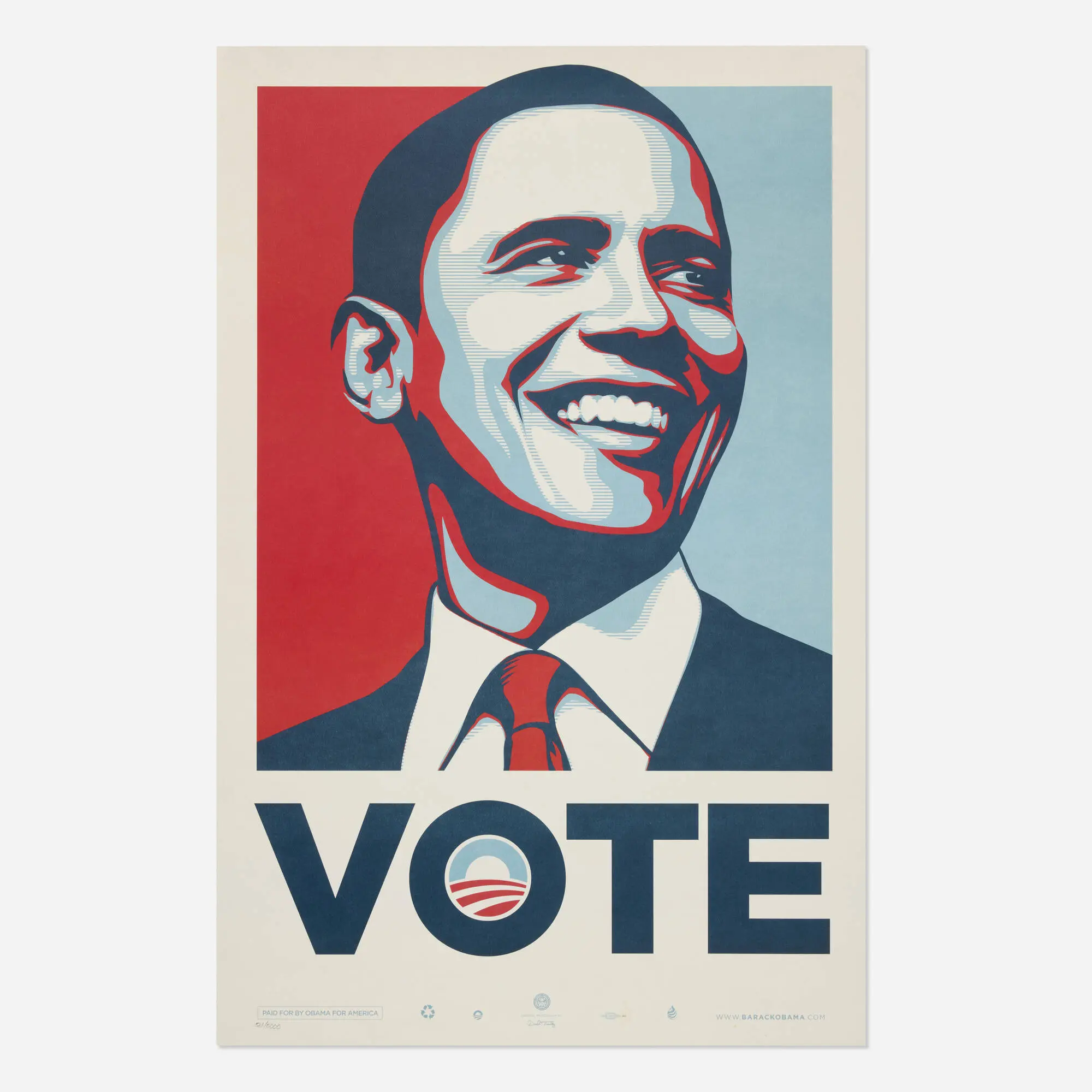
Introduction
Barack Obama, the 44th President of the United States, served from 2009 to 2017, becoming the first African American to hold the office. His presidency significantly shaped modern American politics and left a lasting legacy that continues to influence the nation. Understanding Obama’s impact is essential, especially as today’s political landscape grapples with issues such as health care reform, climate change, and social justice.
Key Achievements
During his two terms, Obama oversaw several significant legislative achievements. The most notable is the Affordable Care Act (ACA), also known as Obamacare, which aimed to reduce the number of uninsured Americans and curb health care costs. As of 2023, the ACA has extended coverage to over 20 million people, underscoring its enduring significance.
In addition to health care, Obama’s presidency was marked by major foreign policy shifts. He initiated the pivot to Asia, acknowledging the region’s growing importance in global politics. The Iran nuclear deal, which sought to limit Iran’s nuclear capabilities in exchange for sanction relief, stands as a controversial yet pivotal aspect of his foreign policy legacy.
Challenges Faced
Despite these successes, Obama faced significant challenges, including a deeply divided Congress. His efforts to pass comprehensive immigration reform and stringent gun control measures were thwarted amidst fierce political opposition. Additionally, the economic recovery from the Great Recession was a slow and painful process, with unemployment rates only gradually decreasing during his presidency.
Current Relevance
As of 2023, Obama remains a prominent figure in American and global politics. His influence can be seen in the policies advocated by the Democratic Party, particularly on issues of climate change and racial equity. The Biden administration often references Obama’s strategies, particularly in combatting climate change and managing the ongoing public health crisis from the COVID-19 pandemic.
Conclusion
The legacy of Barack Obama transcends his presidency. His approach to governance and commitment to inclusivity continues to resonate in today’s political discourse. As the country navigates complex issues of equality and health care, Obama’s policies and ideals remain a vital part of America’s ongoing dialogue about its future. His impact will undoubtedly be studied and debated for generations, signifying the importance of his role in shaping not just domestic but global policies in the 21st century.