The Importance of Understanding Politics
Politics is a central part of societal structure, influencing our laws, community dynamics, and individual lives. As global events unfold, staying informed about political developments is crucial for citizens, policymakers, and scholars. In today’s fast-paced world, understanding the political landscape can provide insight into economic policies, social justice movements, and international relations.
Current Developments
Recent months have seen significant developments in the political arena. In the United States, the midterm elections held in November revealed a divided Congress, with Democrats maintaining control of the Senate and Republicans taking over the House of Representatives. This division is expected to lead to intense partisan battles over major issues such as budget appropriations, immigration reform, and healthcare policy.
On a global scale, various countries are witnessing shifts in their political paradigms. For instance, in the United Kingdom, the recent leadership changes in the Conservative Party have led to new policy directions concerning economic recovery and international trade post-Brexit. Additionally, the conflict in Ukraine continues to affect political alliances, particularly with NATO and EU member states rallying around Ukraine, showcasing unity against aggression.
Impact on Society
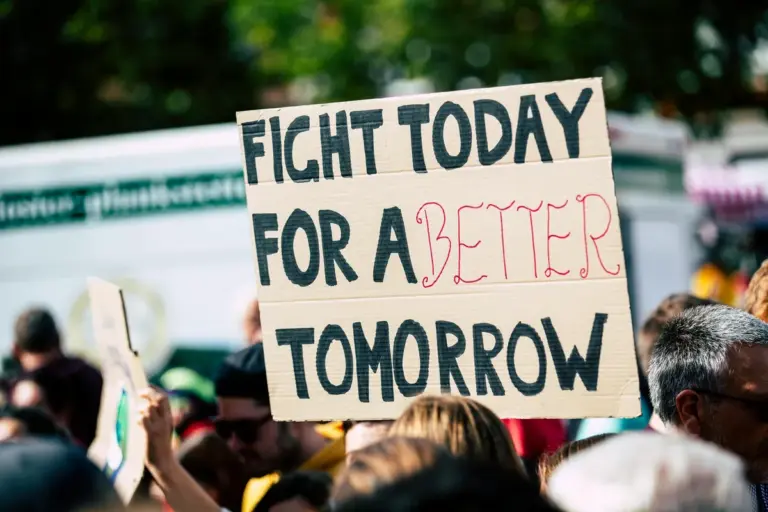
The current political trends have significant societal implications. In the U.S., rising political polarization is leading to challenges in governance, with many citizens feeling disillusioned by the effectiveness of their representatives. Meanwhile, social movements advocating for racial equality, climate justice, and women’s rights are gaining momentum, pushing political agendas toward more inclusive policies. Researchers note that these movements can influence election outcomes and lead to substantive changes in legislation.
Future Outlook
Looking ahead, the political landscape is likely to undergo further transformation. Analysts predict that emerging technologies and social media platforms will continue to shape political discourse, enhancing citizen engagement but also contributing to the spread of misinformation. Additionally, as global challenges such as climate change and health pandemics persist, international cooperation may become more crucial.
In conclusion, understanding current politics is vital for informed citizenship. As we navigate these complex issues, public participation and awareness will be imperative in shaping a fair and equitable society. Keeping abreast of political developments not only empowers individuals but also fosters a more engaged and proactive populace.