Introduction
As climate change accelerates and extreme weather conditions become more frequent, understanding fire safety alerts like the Red Flag Fire Weather Warning has never been more critical. These warnings are essential tools used by meteorologists to inform the public of hazardous fire conditions, which can lead to devastating wildfires that endanger lives, property, and ecosystems.
What is a Red Flag Fire Weather Warning?
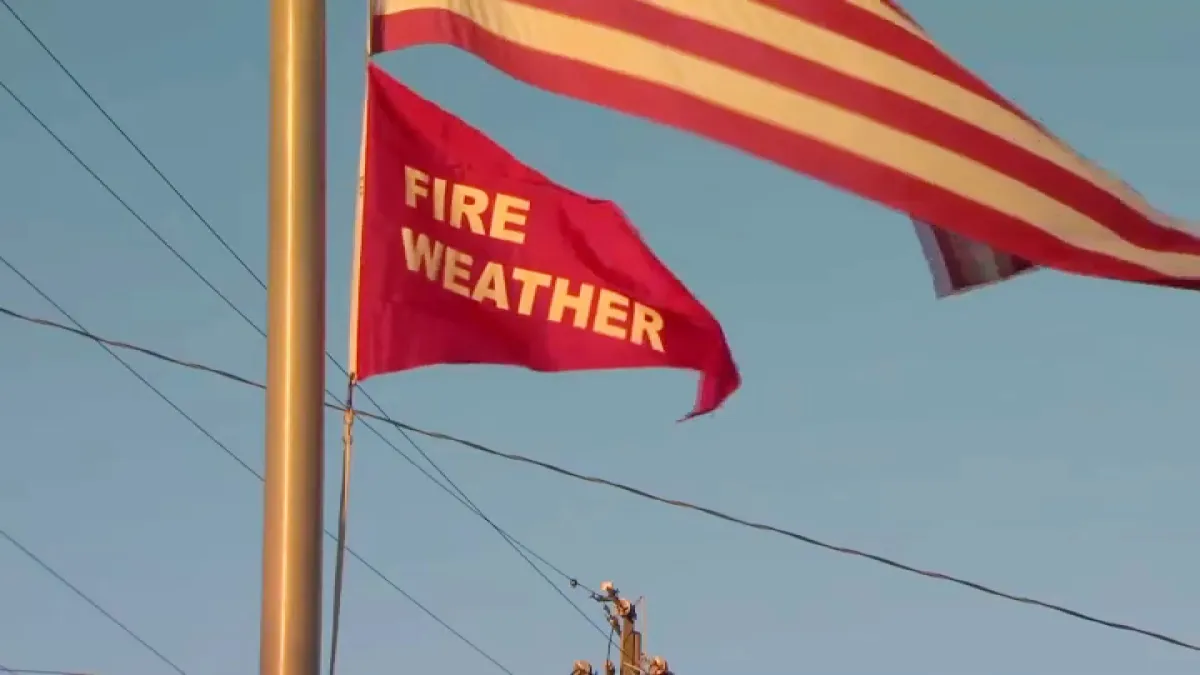
A Red Flag Fire Weather Warning is issued when conditions are ripe for fast-spreading wildfires. This warning signifies a combination of high winds, low humidity, and dry vegetation, creating an environment where fires can escalate rapidly. The National Weather Service (NWS) and local meteorological agencies typically issue these alerts, and they can apply to specific regions, highlighting areas at heightened risk.
Current Trends and Recent Events
In recent years, the increase in frequency and intensity of Red Flag warnings has been alarming. In 2023 alone, record-breaking temperatures and prolonged droughts across the western United States have prompted multiple Red Flag alerts in states like California, Arizona, and New Mexico. For instance, in August 2023, California experienced a severe heatwave resulting in extensive Red Flag warnings, prompting immediate responses from firefighters and emergency services. The warnings served as a vital reminder for residents in vulnerable areas, urging them to be aware of their surroundings and prepared for potential evacuations.
Why These Warnings Matter
Red Flag Fire Weather Warnings are crucial for public safety. They not only alert residents in high-risk areas to the potential for wildfires but also inform first responders and local authorities to be on high alert for new fire starts. Following the issuance of such warnings, individuals are encouraged to avoid activities that could spark a fire, such as outdoor grilling, campfires, and even fireworks.
Conclusion
As the frequency of Red Flag Fire Weather Warnings continues to rise, understanding the implications of these alerts is essential for everyone. Staying informed and prepared can significantly reduce the risk of wildfires and ensure community safety. As we move through the peak fire season, remaining vigilant when these warnings are issued is vital. It encourages individuals and communities to prioritize fire safety measures and be ready to respond effectively in emergency situations.