Introduction
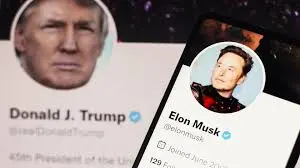
Donald Trump’s recent return to Twitter has become one of the most talked-about events in the political landscape of 2023. As a former president, Trump has had a profound influence on social media, with his tweets often sending shockwaves through the news cycle. The implications of his return are significant, as they not only affect discourse in the United States but also have the potential to reshape the global social media environment.
The Context of Trump’s Return
Trump was banned from Twitter in January 2021 following the Capitol riots, an event that raised questions about freedom of speech versus safety on digital platforms. However, in November 2022, he was reinstated after a poll conducted by Elon Musk, the new owner of Twitter, suggested that users wanted to see Trump’s account restored. This reinstatement comes at a time when Trump is once again campaigning for the presidency in 2024, raising expectations about how he will leverage social media to mobilise support.
Impact on Political Discourse
Trump’s return to Twitter is expected to significantly alter the dynamics of political communication. With approximately 88 million followers at the time of his ban, Trump’s account serves as a megaphone for his views, policies, and rallying cries. Analysts suggest that he may use the platform to challenge opponents directly, engage with voters, and share his perspectives on current events in real-time, further polarising the political landscape.
Moreover, Trump’s presence on Twitter could have wider implications for other social media platforms. Critics have raised concerns about misinformation and hate speech, while supporters argue that Trump’s return may invigorate engagement on topics that matter to his base. The platform’s response to managing this type of content will be under scrutiny, as Twitter navigates the fine line between regulation and free speech.
Public and Media Reactions
The public reaction to Trump’s return has been varied. Supporters view it as a positive for democracy and a win for free speech, while opponents fear a resurgence of misinformation. Polls indicate a divided populace, with some Americans excited about engaging with Trump’s perspectives, while others express concerns over the divisive impact of his tweets.
Conclusion
As Donald Trump reacquaints himself with Twitter, the political implications of his return are profound. This development promises to reshape how candidates communicate with the electorate, influencing both public opinion and electoral outcomes as the 2024 presidential campaign heats up. Observers will be closely monitoring the reactions—both from the public and from political opponents—as Trump’s posts are likely to become a focal point of the upcoming election cycle. Twitter’s role in this unfolding narrative will be pivotal, determining how effectively it can balance the need for free expression with the responsibility to mitigate harm in a politically charged environment.