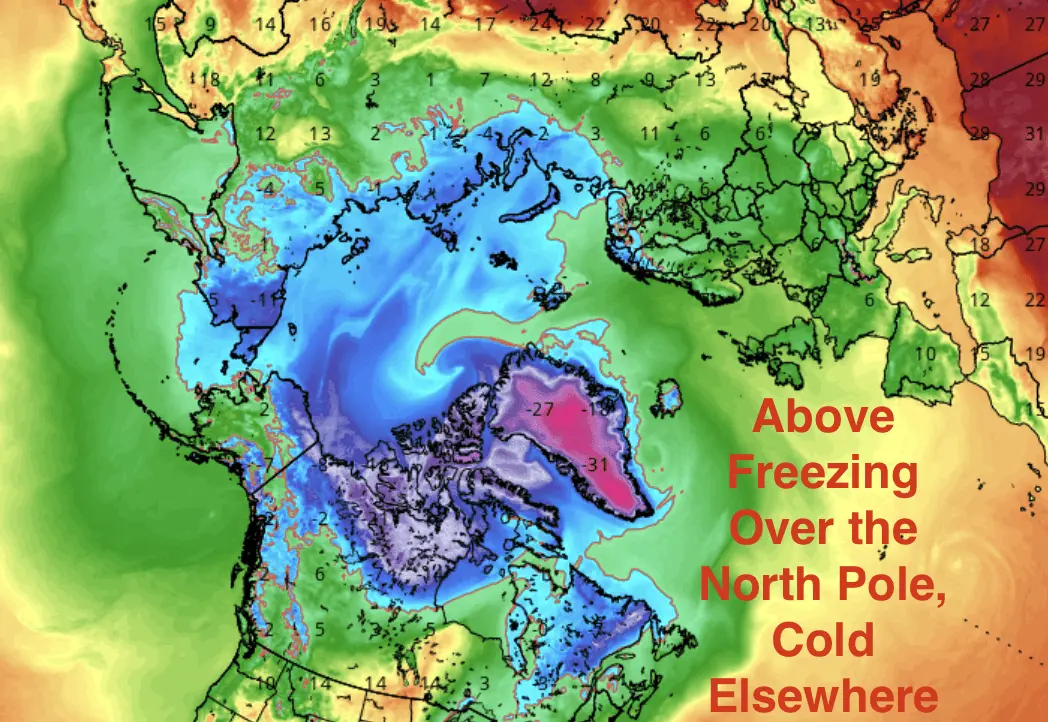
Introduction to the Polar Vortex
The polar vortex, a persistent, large-scale cyclone located near the Earth’s poles, has garnered significant attention in recent years. Understanding this meteorological phenomenon is vital as it influences global weather patterns, including extreme winter conditions in the mid-latitudes.
What is the Polar Vortex?
The polar vortex consists of a circulating pool of cold air that resides over the polar regions. It is not a singular entity but rather a fluid and dynamic process that can stretch and contract based on various atmospheric conditions. Typically, it remains stable during winter months; however, disruptions can lead to a weakening of the vortex, causing frigid Arctic air to spill southward.
Recent Developments and Impacts
This winter, meteorologists have closely monitored the polar vortex as two distinct events of weakening were observed. In December 2022, part of the polar vortex split, sending icy blasts across Europe and North America. This phenomenon was followed by another significant disruption in February 2023, which resulted in record-low temperatures in several states across the United States.
Research indicates that climate change may be impacting the behaviour of the polar vortex. According to a study published in the “Journal of Climate”, warming temperatures in the Arctic could lead to more frequent and severe disruptions, which could thrust colder temperatures further south than traditionally expected. This pattern can result in extreme weather events, putting stress on energy resources and increasing the risk of cold-related illnesses.
Looking Ahead: Weather Forecasts and Implications
As we move further into the winter season, experts predict that additional fluctuations in the polar vortex could occur. Such events could lead to unpredictable weather patterns, making accurate forecasting more challenging. This unpredictability raises concerns for various sectors, including agriculture, public health, and infrastructure, which are sensitive to severe weather conditions.
Conclusion
The polar vortex is an essential component of our atmosphere, significantly affecting seasonal weather. Understanding its behaviour is crucial, especially as certainties around climate change continue to grow. For residents across the globe, keeping informed about polar vortex activity can enable better preparedness for extreme weather events. Monitoring future trends and studying the relationship between climate change and the polar vortex will remain relevant as scientists strive to enhance predictive models and mitigate the impact of these disruptive phenomena.