Introduction
Kamala Harris, the first female Vice President of the United States, is a significant figure in American politics, representing diversity and inclusivity. Her role not only marks a historic milestone but also underscores the evolving landscape of leadership in the nation. As debates surrounding various crucial issues – from economic recovery to social justice – continue to rise, understanding her impact is vital for comprehending the current political climate.
Background and Political Rise
Born on October 20, 1964, in Oakland, California, Kamala Harris is the daughter of Indian and Jamaican immigrants. She earned her law degree from the University of California, Hastings College of the Law, and began her career as a prosecutor in Alameda County. Her appointment as the District Attorney of San Francisco in 2004 highlighted her commitment to reforming the criminal justice system. Harris later served as California’s Attorney General, where she championed various initiatives focusing on consumer protection and reforming the state’s criminal justice system.
Historic Vice Presidency
In 2020, Harris made history by becoming the first woman, the first Black woman, and the first person of South Asian descent to hold the office of Vice President. Since taking office in January 2021, she has played a crucial role in the Biden administration, focusing on key initiatives such as immigration reform, women’s rights, and addressing climate change. Harris’s role as a visible leader has also encouraged more women and people of colour to pursue positions in government, exemplifying her influence.
Recent Developments and Challenges
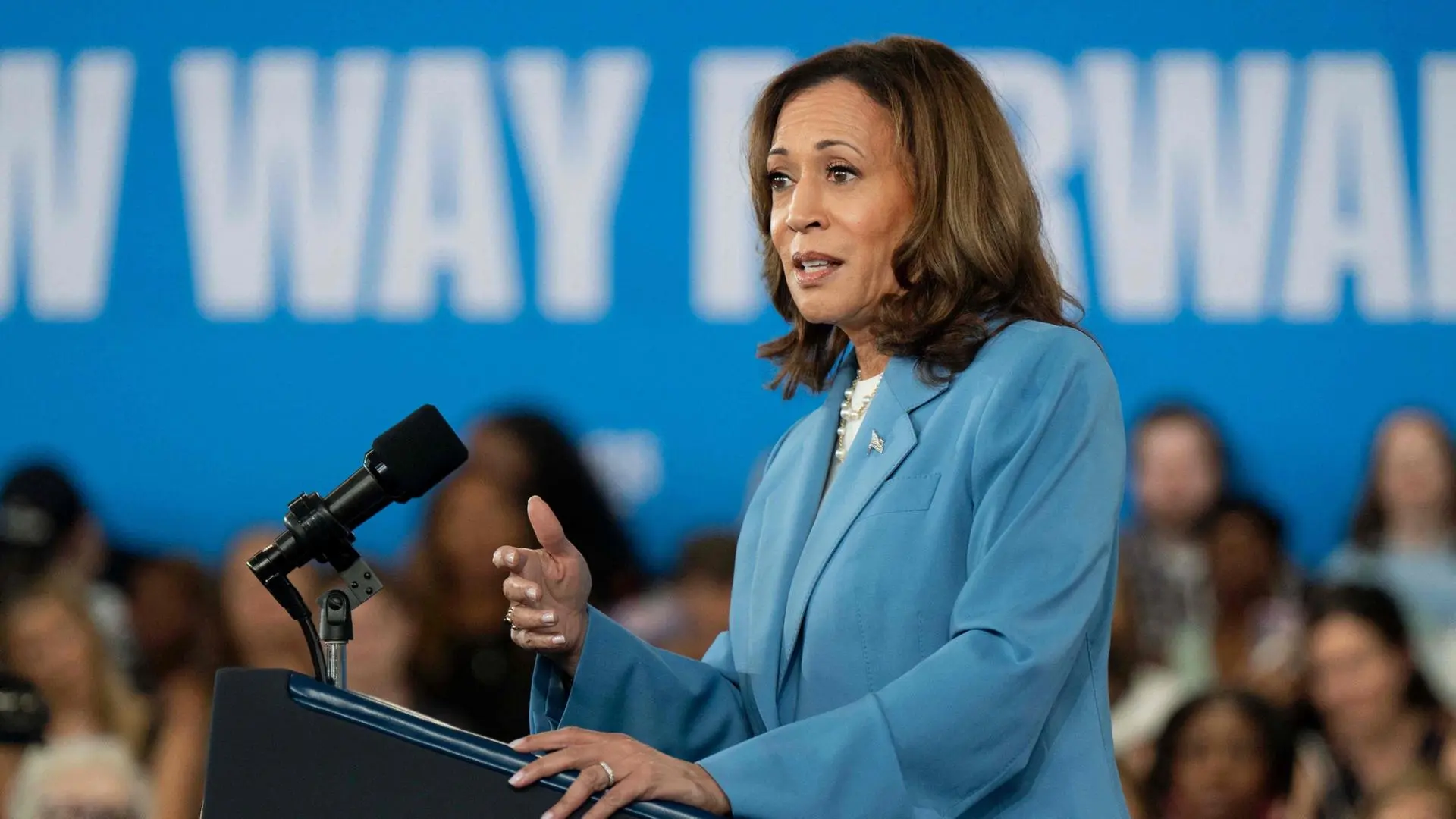
As of late 2023, Vice President Harris continues to navigate a landscape filled with challenges, including ongoing discussions about the economy, healthcare, and crucial social issues such as abortion rights and gun control laws. In recent speeches, she has emphasised the importance of maintaining democracy and advocating for the rights of underserved communities. Harris’s commitment to these issues is evident as she participates in numerous events aimed at empowering various demographics, encouraging dialogue and action across the nation.
Conclusion
Kamala Harris’s tenure as Vice President signifies a transformative moment in American politics. As she continues to advocate for change, her actions and decisions will shape future political landscapes and inspire new generations to engage in public service. Her legacy, still unfolding, promises to influence discussions about equity and representation for years to come. For readers, understanding Harris’s role offers insights into the progressive movements shaping the future of American governance.