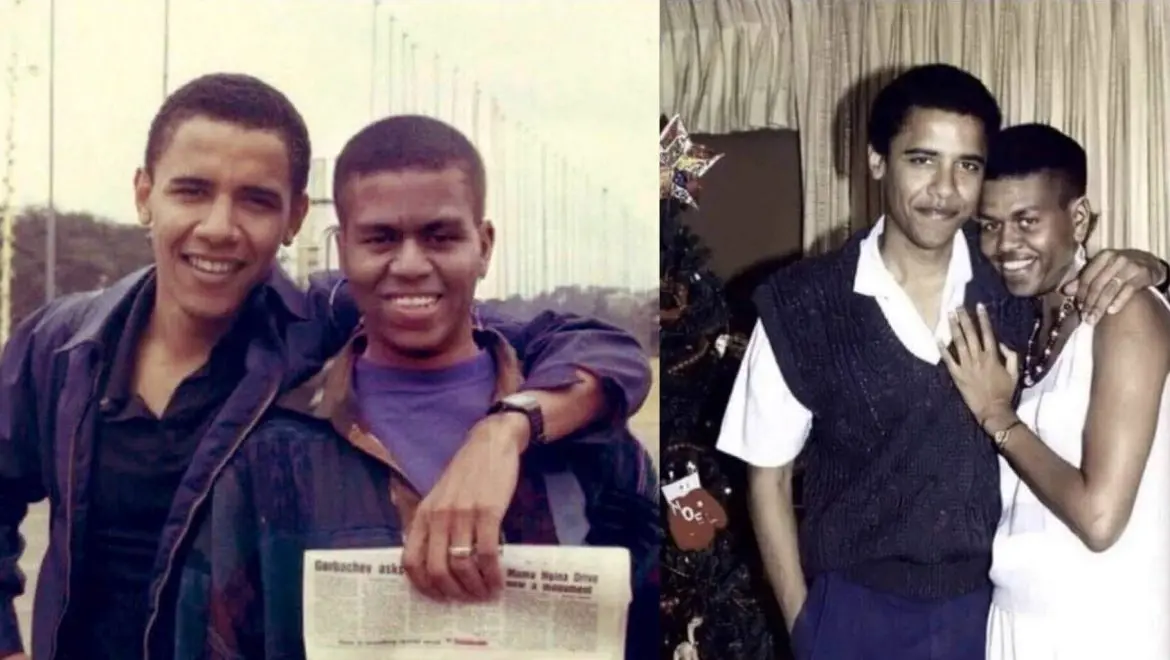
Introduction to Michelle Obama
Michelle Obama, the former First Lady of the United States, has established herself as a cultural icon and an advocate for health, education, and military families. Her journey from the South Side of Chicago to the pinnacle of American political life resonates with many, underscoring themes of perseverance, education, and empowerment. As the country reflects on her contributions, it becomes clear that Michelle Obama’s influence extends far beyond her time in the White House.
Achievements During Her Tenure
During her time as First Lady from 2009 to 2017, Michelle Obama championed several initiatives aimed at improving the health and well-being of Americans, particularly children. One of her most notable campaigns, “Let’s Move!”, aimed to combat childhood obesity through healthier food options and increased physical activity in schools. This program was pivotal in changing nutrition standards in schools, ensuring that children have access to healthier meals. Additionally, her “Reach Higher” initiative encouraged young people to pursue higher education after high school, promoting the importance of college readiness.
Post-White House Initiatives
After leaving the White House, Michelle Obama continued her advocacy through various platforms. Her memoir, “Becoming”, published in 2018, became a bestseller and has inspired countless readers to reflect on their own identities and journeys. She launched the “When We All Vote” initiative in 2018 to increase voter registration and engagement, especially among young voters. Her work in writing, public speaking, and her involvement in organizations supporting youth and education remains vital in today’s socio-political climate.
Significance of Her Efforts
Michelle Obama’s influence is evident in her ability to connect on personal and relatable levels with a diverse audience. Her focus on key issues such as health, education, and equality has not only raised awareness but also brought about tangible changes in policies aimed at enhancing the quality of life for many Americans. As society faces ongoing challenges, her voice remains an important part of conversations surrounding these issues.
Conclusion
In conclusion, Michelle Obama’s role transcends her position as a former First Lady; she is a leading figure in advocacy and empowerment. Her legacy serves as an inspiration for future generations to strive for a healthier, educated, and more equitable society. As we look forward, the impact of her work is likely to continue shaping discussions around health, education, and social justice for years to come.