Introduction
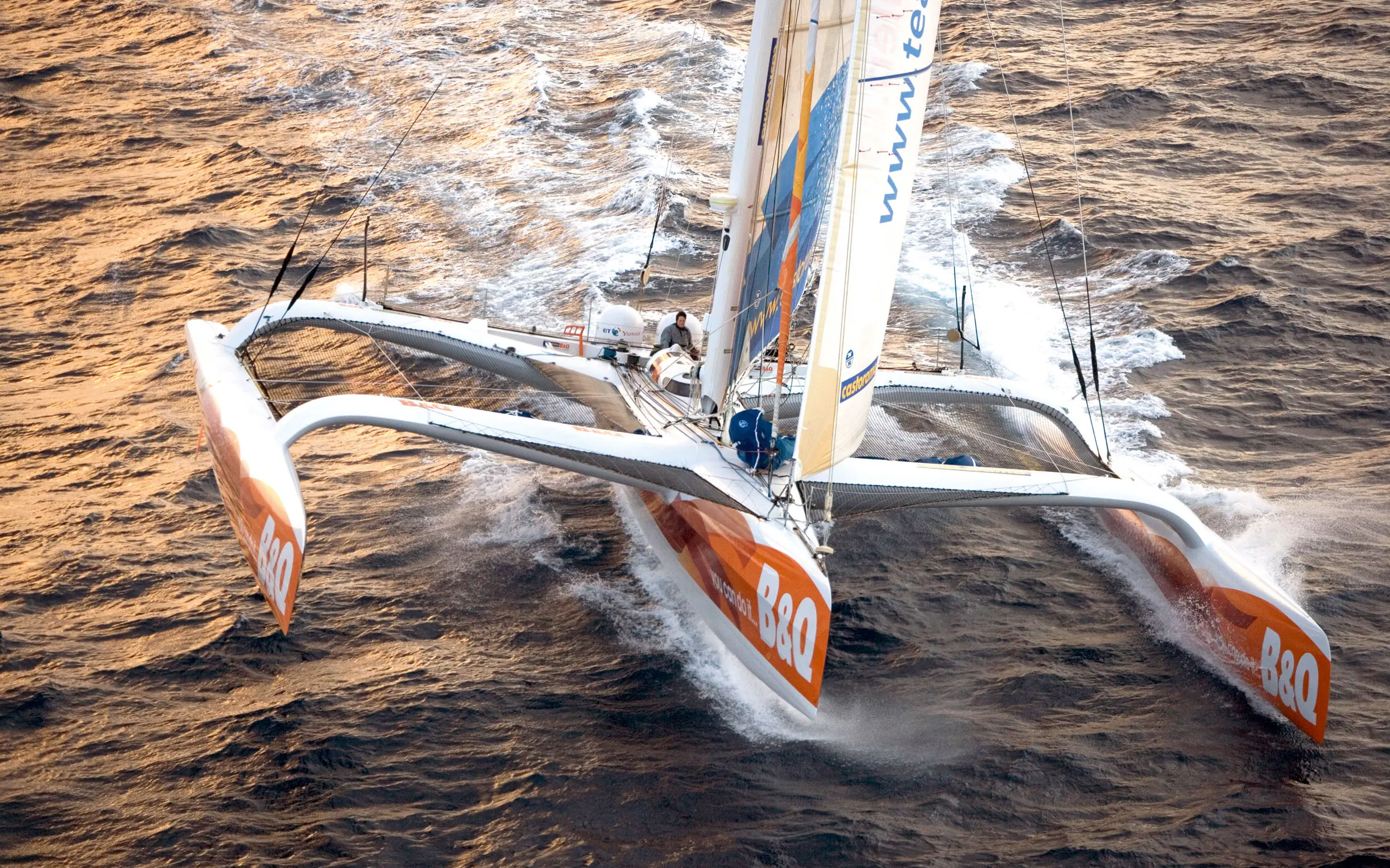
Ellen MacArthur, a former professional sailor and world-renowned endurance athlete, has transitioned from sailing to advocating for sustainable practices in the economy. Her transformation began after completing a solo sailing journey around the world, which inspired her to rethink consumption and waste. In today’s context of climate change and resource scarcity, her ideas around the circular economy are more pivotal than ever, driving conversations about sustainable practices globally.
The Birth of the Ellen MacArthur Foundation
In 2010, Ellen founded the Ellen MacArthur Foundation, aiming to accelerate the transition to a circular economy. The foundation has become a hub for innovation, research, and dialogue, engaging businesses, government agencies, and academia. Through comprehensive reports, initiatives, and partnerships, the Foundation provides a framework that encourages companies to rethink their product lifecycle to minimise waste and environmental impact.
Key Initiatives and Achievements
The Foundation’s work includes sizeable projects such as the ‘Circular Economy 100’ programme, which connects businesses, governments, and innovators to collaborate on circular economy solutions. Notable corporate partners include giants like Nike, Google, and Unilever, highlighting the widespread recognition of the need for systemic change in how products are designed, produced, and disposed of.
Moreover, the Ellen MacArthur Foundation has actively influenced policy discussions. Recently, the European Union’s Circular Economy Action Plan has aligned with some of the Foundation’s principles, promoting sustainability across member states, thus indicating a shift in policy-making influenced by MacArthur’s advocacy.
Importance of the Circular Economy
The circular economy, as advocated by Ellen MacArthur, contrasts with the traditional linear economy, which follows a ‘take, make, dispose’ model. The circular model seeks to keep resources in use for as long as possible, thus reducing waste, conserving natural resources, and creating a more sustainable relationship between the economy and the environment. This fresh approach is crucial as global consumption continues to rise and the planet confronts increasing challenges related to waste and climate change.
Conclusion
With her pioneering vision, Ellen MacArthur continues to influence how industries can operate sustainably. The ongoing discourse surrounding the circular economy is increasingly relevant, as many consumers and businesses begin to prioritise sustainability. Looking ahead, the Foundation is expected to expand its reach and impact, encouraging even more sectors to embrace circular practices. For individuals and businesses, following MacArthur’s lead could not only contribute positively to the planet but may also present new opportunities in a rapidly evolving economy. The journey toward a sustainable future is underway, and Ellen MacArthur is at the forefront, steering change towards a viable path for both the economy and the environment.