Introduction
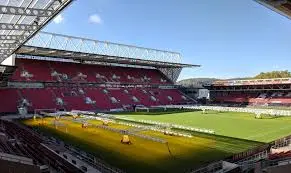
Ashton Gate Stadium, located in Bristol, England, is not just a football ground; it is a cultural landmark that plays a significant role in the city’s sporting and community activities. Home to Bristol City FC and Bristol Bears RFC, the stadium has undergone major renovations over the years, making it a modern venue for sports and entertainment events alike. With recent developments continuing to enhance its facilities, Ashton Gate Stadium’s relevance has only increased, drawing attention not only locally, but also on a national scale.
Recent Developments
In recent months, Ashton Gate Stadium has announced plans for further improvements aimed at enhancing the spectator experience and increasing capacity. The stadium’s management has revealed an investment plan to upgrade seating areas, build new hospitality suites, and improve accessibility facilities for disabled fans. These changes come on the heels of the successful hosting of various high-profile events, including international rugby matches and concerts.
In addition to physical upgrades, the stadium is also focusing on sustainable practices. Ashton Gate is one of the first football stadiums in the UK to achieve the BREEAM rating, reflecting its commitment to environmentally friendly practices. This initiative not only benefits the atmosphere but also aims to serve as a benchmark for other sports venues across the country.
Community Engagement
Ashton’s commitment to the community is evident; the stadium has become a hub for local events, charity functions, and community gatherings. The club actively engages with schools and local organisations to promote sports participation among youth. Recent community initiatives have included free training sessions and workshops led by club players, aiming to foster a love for sports and provide positive role models.
Moreover, the stadium has also been at the forefront of inclusivity efforts, ensuring that diverse groups feel welcome and represented within its facilities, further enhancing its community-focused ethos.
Conclusion
Ashton Gate Stadium’s evolution into a modern multisport venue illustrates the importance of sports in community cohesion and economic development. As plans progress and the stadium continues to adapt to meet the demands of fans and local residents, it is clear that Ashton Gate will remain a central fixture in Bristol for years to come. With its blend of sports, culture, and community engagement, the stadium is not just a place for games; it is an emblem of pride and a focal point for the people of Bristol.