The Importance of EU Countries
As of 2023, the European Union (EU) comprises 27 member states that span across Europe. The EU plays a crucial role in shaping economic policy, promoting trade, and fostering political cooperation among its members. Understanding the dynamics within these countries is essential, especially given recent global challenges, such as the COVID-19 pandemic and geopolitical tensions.
Current Composition of the EU
Currently, the EU consists of the following countries: Austria, Belgium, Bulgaria, Croatia, Cyprus, Czech Republic, Denmark, Estonia, Finland, France, Germany, Greece, Hungary, Ireland, Italy, Latvia, Lithuania, Luxembourg, Malta, Netherlands, Poland, Portugal, Romania, Slovakia, Slovenia, and Spain. Each nation brings its unique culture, language, and political landscape, contributing to the rich tapestry of the Union.
Recent Developments
In 2022 and 2023, various EU countries faced significant challenges. For instance, the ongoing energy crisis, exacerbated by the war in Ukraine, led member states to seek diversified energy sources to ensure their energy independence and security. Additionally, the EU Council has been working on climate action strategies, pushing for each country to adhere to greener policies.
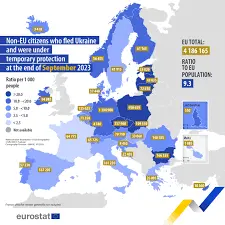
Moreover, the EU’s response to migration continues to evolve, as countries grapple with humanitarian considerations alongside border security. Recent discussions have suggested a need for a more unified approach to migration to alleviate pressure on specific member states.
Looking Ahead
As we move further into 2023, the significance of collaboration among EU countries cannot be overstated. With the rise of populism and nationalism across the continent, the future of the EU and its cohesion is being closely monitored. The anticipated enlargement talks with prospective members like Ukraine signify ongoing efforts to strengthen alliances and ensure stability within Europe.
Conclusion
EU countries remain interconnected through shared values and economic policies, yet individual challenges persist. Understanding the current landscape is vital for anyone looking to comprehend Europe’s political and economic future. As the EU adapts to internal and external pressures, the actions taken by these countries will inevitably shape the stability and future of the entire region.