Introduction
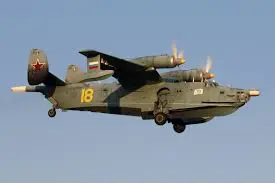
The BE-12 Chayka, a vital maritime surveillance aircraft developed by the Soviet Union, has gained renewed attention amid global security concerns. Its unique capabilities make it a noteworthy topic, especially with recent events escalating tensions in various maritime regions. As nations grapple with threats such as piracy, smuggling, and illegal fishing, the relevance of advanced surveillance technologies like the BE-12 Chayka cannot be overstated.
The BE-12 Chayka: Features and Capabilities
Developed originally in the 1950s, the BE-12 Chayka can operate both as a reconnaissance aircraft and an anti-submarine warfare (ASW) platform. This amphibious aircraft is designed for maritime patrol, with the ability to take off and land on water, making it flexible in various operational contexts.
Featuring powerful radar, sonar systems, and the capacity to deploy various weapons, the BE-12 Chayka has played a crucial role in several maritime operations. Its ability to operate in bad weather conditions and its long-range patrol capabilities make it a key asset for surveillance missions aimed at safeguarding territorial waters.
Current Developments and Usage
In recent months, there has been a significant uptick in the deployment of the BE-12 Chayka in response to increased maritime activity in contested regions. In the East and South China Seas, where territorial disputes continue to stir tensions among multiple nations, the aircraft has been utilized for monitoring and patrolling strategic areas. Furthermore, Russia has reportedly invested in modernising its fleet of BE-12 Chayka, ensuring that it remains relevant in modern surveillance operations.
This revitalisation aligns with a broader trend where nations are increasingly reliant on advanced aerial surveillance capabilities to enforce maritime laws and respond to emerging threats. The integration of modern technology with legacy systems such as the BE-12 Chayka heralds a new era in aerial reconnaissance.
Conclusion
As geopolitical tensions persist and maritime security remains a priority, the importance of the BE-12 Chayka in surveillance operations cannot be ignored. It represents not only a significant piece of military history but also a crucial component of current and future maritime defence strategies.
The growing emphasis on technological advancements in maritime surveillance indicates that we may see the BE-12 Chayka continuing to play a vital role in national security efforts. Investors and nations alike should pay close attention to how these developments evolve, as they are likely to influence maritime policy and international relations for years to come.