Tim Cook’s leadership is credited with significant financial gains and product innovations at Apple. He became CEO in August 2011. Under his guidance, Apple’s market capitalization grew from roughly $350 billion to over $4 trillion by 2025. This remarkable increase reflects a 1,932 percent rise in shares during his tenure.
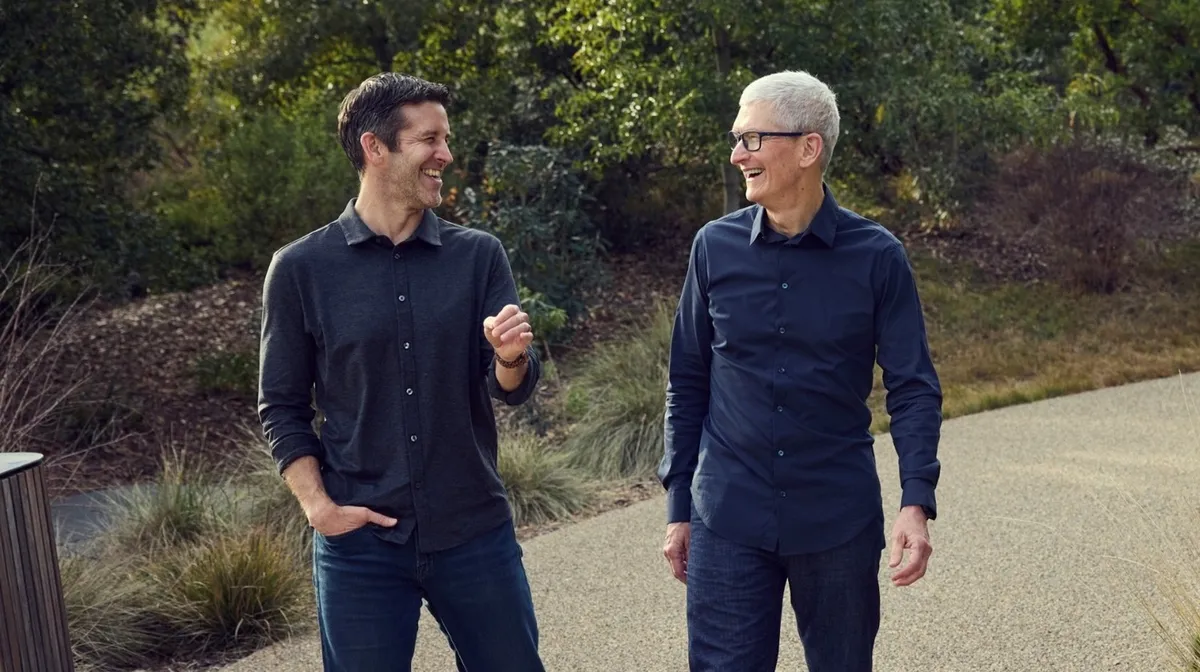
On September 1, 2026, Tim Cook will step down as CEO of Apple. John Ternus will succeed him in this role. Ternus has been with Apple for 25 years and has a strong background in hardware engineering. He was instrumental in developing key products like the iPad and AirPods.
Cook’s operational efficiencies and supply chain management strategies have been pivotal to Apple’s success. He has also emphasized corporate responsibility and diversity within the company. “I’m proud to be gay, and I consider being gay among the greatest gifts God has given me,” Cook stated, highlighting his commitment to inclusivity.
As Ternus steps into the CEO position, he faces new challenges. Neil Saunders noted that maintaining Apple’s edge in a service-driven world where AI intersects with hardware will be crucial. Ternus is expected to focus on hardware innovation and AI strategy as he leads the company forward.
Ternus earned a bachelor’s degree in mechanical engineering from the University of Pennsylvania. He has overseen Apple’s transition from Intel chips to its own silicon chips—an essential move for enhancing performance and efficiency.
Tim Cook will transition to a new role as executive chairman after stepping down as CEO. He expressed confidence in Ternus’s abilities: “Ternus is a visionary with the mind of an engineer, the soul of an innovator, and the heart to lead with integrity and with honor.” This endorsement underscores the trust placed in Ternus’s leadership.
The tech industry watches closely as these changes unfold. Francisco Jeronimo remarked on the challenges ahead: “Building great hardware is a well-defined problem. Building an AI platform that developers and enterprises genuinely adopt is a different challenge entirely.” The future of Apple hinges on how well Ternus navigates these complexities.
Details remain unconfirmed regarding other potential changes within Apple’s leadership structure or strategic direction following this transition.