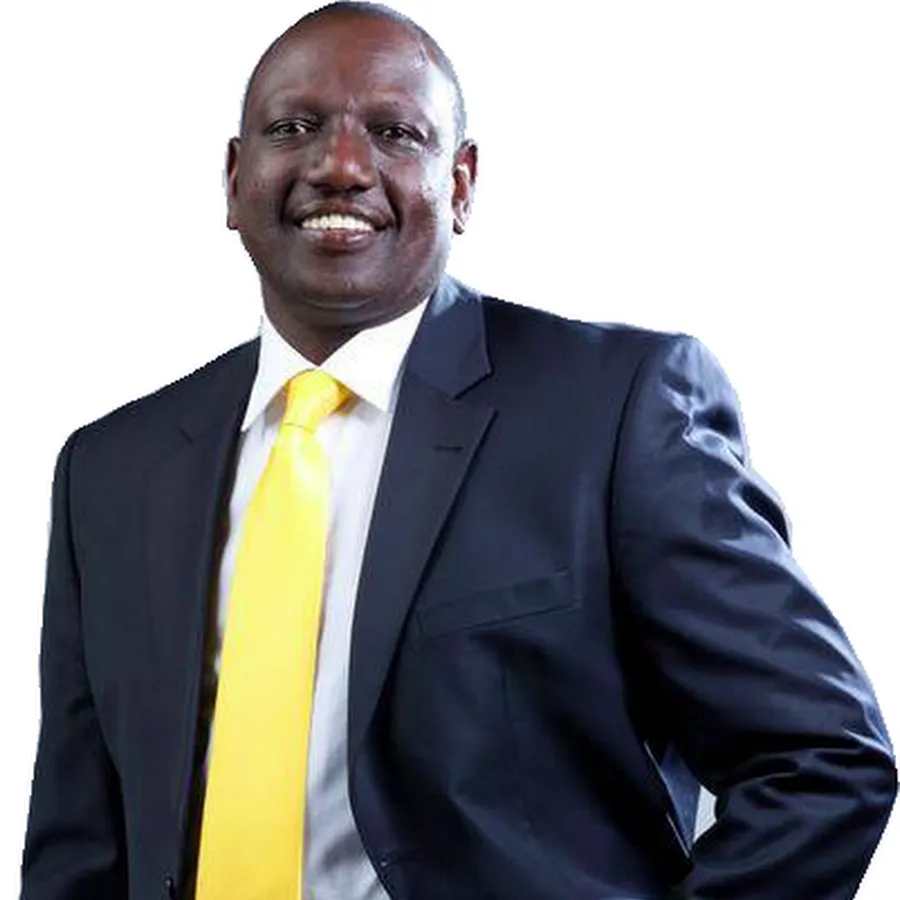
William Ruto’s mocking comments about Nigerian-accented English have ignited a fierce backlash across Africa. The remarks were made during a public function on April 20, 2024. Ruto suggested that Nigerian English is incomprehensible, stating, “Our education is good. Our English is good. We speak some of the best English in the world. If you listen to a Nigerian speaking, you don’t know what they are saying. You need a translator even when they are speaking English.” This statement has drawn sharp criticism.
Ruto’s comments came amid rising tensions in Kenyan politics. He has faced significant domestic pressures, including public protests over tax increases and the high cost of living. These challenges have fueled dissatisfaction among Kenyans since he took office as president in 2022 after winning the election with 50.49 percent of the vote.
The backlash on social media was immediate and intense. Many users condemned Ruto’s remarks, arguing they reflect poorly on Kenya’s leadership and contribute to regional divisions. Critics pointed out that such comments can exacerbate existing tensions between Kenya and Nigeria.
Ruto’s remarks may also be a response to Nigerian President Bola Tinubu’s earlier comments about Kenyans, which some perceived as derogatory. This back-and-forth has heightened scrutiny of both leaders and their diplomatic relations.
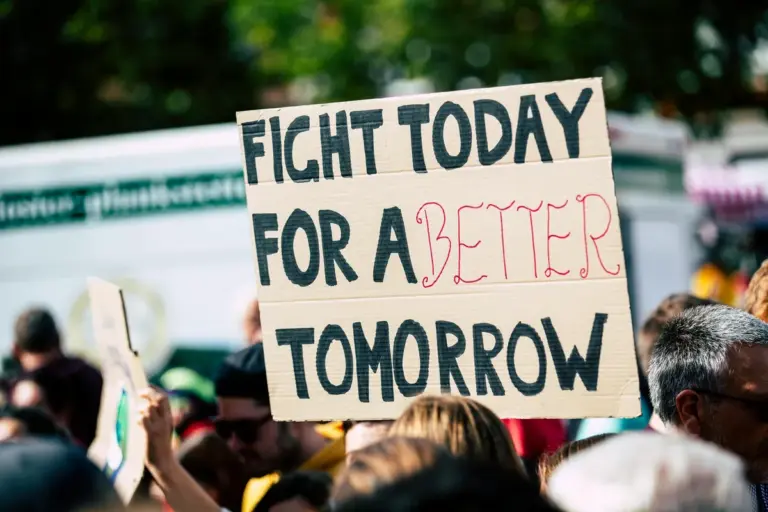
Public sentiment in Kenya is increasingly volatile. Protests against tax hikes have been common, and citizens express frustration with rising living costs. Ruto’s comments could distract from these pressing issues or further inflame public anger.
The current state of affairs raises questions about the future of regional cooperation in Africa. Leaders must navigate these sensitive issues carefully to maintain diplomatic relations and prevent further backlash.
As William Ruto continues his presidency, he faces the challenge of addressing both domestic dissatisfaction and international relations. His recent remarks may complicate efforts to stabilize his administration amidst ongoing public protests.