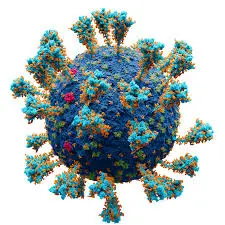
Introduction
The emergence of COVID variants has been a significant concern since the onset of the pandemic. These variants can affect transmissibility, severity of illness, and vaccine effectiveness, making it essential for the public to stay informed about developments in this area. As the world continues to adapt to living with COVID-19, understanding these variants is crucial for public health and safety.
The Current COVID Variants
As of October 2023, two primary variants, known as Omicron sub-lineages, are dominating the global landscape: BA.4 and BA.5. These variants have shown increased transmissibility compared to earlier forms of the virus, raising alarms among health officials. The World Health Organisation (WHO) has indicated that these highly transmissible variants may lead to surges in cases, particularly in regions with low vaccination rates. Reports have suggested that healthcare systems in several countries, particularly in Europe and North America, are starting to feel the strain once again due to increased hospital admissions linked to these variants.
The Impact on Vaccines and Treatments
Recent studies emphasize that while vaccines remain effective against severe disease caused by these variants, their ability to prevent infection has been somewhat reduced. Booster shots are now highly recommended, especially for vulnerable populations, to enhance immunity and provide a broader range of protection against emerging strains. Pharmaceutical companies are also working on updated vaccines that are tailored to combat these variants more effectively. Monoclonal antibody treatments have also been modified to target these new variants, but data on their effectiveness is still emerging.
Precautionary Measures and Recommendations
Health authorities continue to advocate for standard mitigation measures including vaccination, wearing masks in crowded places, and maintaining physical distance where possible. Furthermore, public health campaigns aim to educate communities on the importance of vaccination, especially in light of the new variants and their implications for community health.
Conclusion
The ongoing development of COVID variants underscores the dynamic nature of the virus and the need for vigilant monitoring and adaptive public health responses. As research continues and more data becomes available, it will be crucial for communities to remain engaged and informed. For readers, staying updated means protecting not only themselves but also their families and communities against potential surges in cases. Continued vaccination and adherence to recommended health guidelines will play essential roles in managing the impact of COVID-19 variants in our daily lives.