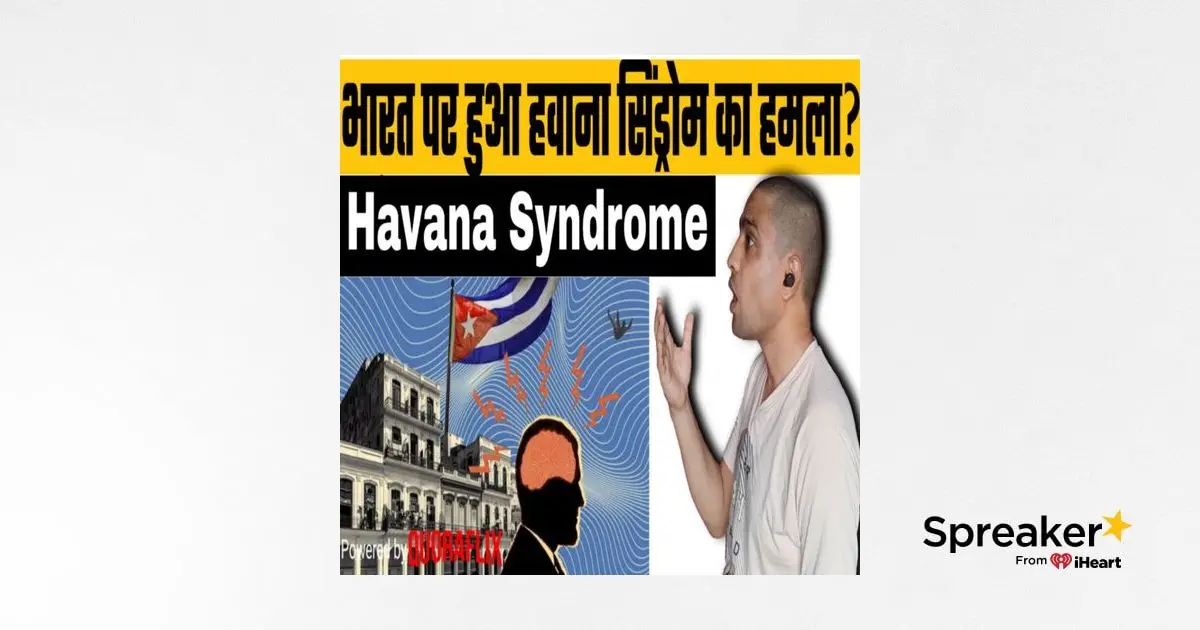
What is Havana Syndrome?
First reported in late 2016 by diplomats in Havana, Cuba, Havana Syndrome is a collection of mysterious and debilitating symptoms that have plagued American and Canadian officials. Symptoms reported by affected individuals include severe headaches, dizziness, tinnitus, fatigue, cognitive difficulties, and even neurological issues. The unusual nature of the symptoms, coupled with their sudden onset, sparked widespread speculation regarding their cause. This phenomenon not only impacts the health of those affected but also raises significant concerns about the safety of diplomats and intelligence personnel stationed abroad.
Recent Developments
As of 2023, the U.S. government has been urged to take the phenomenon seriously, with a noticeable increase in cases reported around the world. The National Academies of Sciences, Engineering, and Medicine released a report suggesting that directed energy could be the cause of these health issues, although conclusive evidence remains elusive. In 2022, cases of suspected Havana Syndrome also began appearing among officials in countries across Asia and Europe, further complicating efforts to track the syndrome’s origin and potential risk factors.
Investigative Efforts
The CIA and other agencies have initiated investigations to better understand Havana Syndrome, including gathering testimonies from affected individuals and analyzing locations where cases have been reported. There have been allegations of deliberate attacks using sonic or microwave weapons, but no definitive proof has yet been established. Moreover, the government’s approach to treating victims and supporting their recovery has been criticized for being inadequate and slow.
Implications for Diplomats and National Security
The implications of Havana Syndrome extend beyond the health of affected individuals, leading to increased caution among diplomatic circles. Officials are now more vigilant about potential health threats in foreign assignments, which may impact international relations and diplomatic engagements. Furthermore, there are concerns about how the ongoing mystery may affect recruitment and retention of personnel, especially in sensitive roles where safety is paramount.
Conclusion
Havana Syndrome remains an active and concerning topic for governments and health officials worldwide. As investigations continue and more cases emerge, the need for a comprehensive understanding of the syndrome is critical. The ongoing exploration into its causes will not only shed light on the health of affected diplomats but could potentially bring to light security threats that may impact international relations as a whole. With attention and research dedicated to this issue, there is hope that clearer answers will emerge to safeguard those at risk.