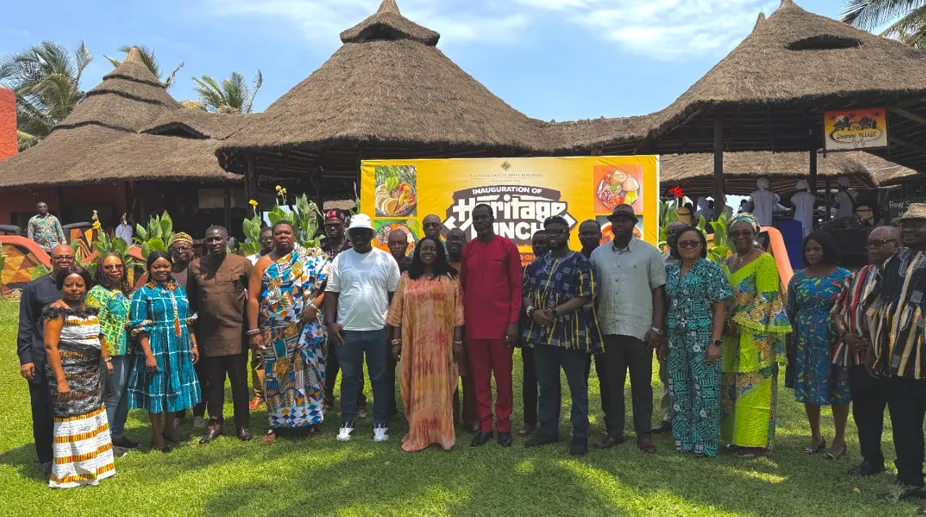
What impact will the new initiatives have on tourism in Ghana? The launch of the Heritage Lunch at La Palm Royal Beach Hotel aims to promote local cuisine and cultural tourism.
The Heritage Lunch is priced at GHS150 per person. It supports local chefs, farmers, fisherfolk, and artisans. Mr. Seth Kugblenu remarked, “This is not just about food.” Rita Naa Odoley Sowah added, “Our food tells the story of who we are—our history, traditions, and the communities that have preserved these practices over generations.” This initiative marks a significant step for Ghana’s tourism sector.
Additionally, the UN Tourism has opened applications for the Best Tourism Villages 2026 initiative. Countries can submit up to eight candidate villages for consideration. Applications close on June 9, 2026. Since its launch in 2021, the program has attracted over 1,000 applications from 100 countries.
The Best Tourism Villages program recognizes rural destinations—319 villages currently participate in this network. Of these, 230 villages are formally recognized in the program. Shaikha Al Nuwais stated, “Tourism is a proven game changer for rural communities.” This highlights the potential benefits of tourism for local economies.
In the Volta region, efforts are underway to revive historical transportation routes like the Ada–Foa–Anyanui ferry route. This route has fallen into disuse but was once vital for travel. The Tortsogbe festival emphasizes the need to restore these river routes.
Traveling from Accra to the Volta region took about nine hours during Easter due to heavy traffic. The opening of the Ada Foa–Anyanui route is expected to ease congestion on major highways like Tema–Aflao.
Yet, Ghana has neglected its water transport sector for years. This oversight has affected both tourism and local economies. As these new initiatives unfold, their long-term effects on Ghana’s tourism landscape remain to be seen.