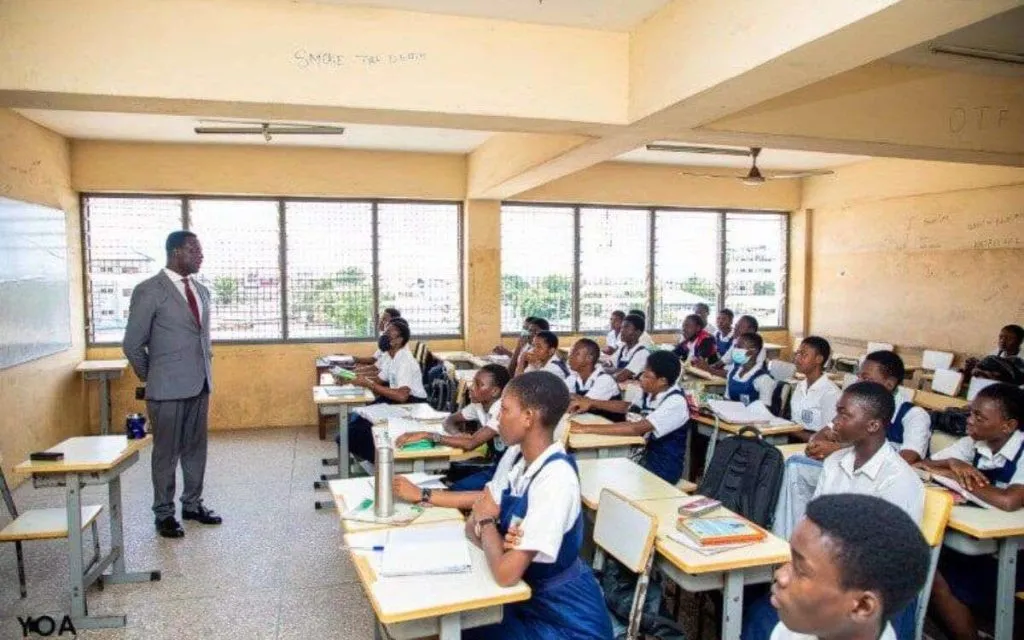
The Ghana Education Service’s new reforms require BECE candidates to select eight schools instead of seven under the Computerised School Selection and Placement System. This change aims to alleviate placement pressures and improve access to senior high schools.
Candidates must now choose two Category A Senior High Schools, including one boarding and one day school, preferably within their locality. This adjustment reflects ongoing challenges in managing student placements effectively.
The GES received over 40,000 applications for just 7,000 teacher slots, highlighting significant issues in teacher distribution. The estimated teacher-student ratio in Ghana ranges between 1:28 and 1:32. Additionally, there is a pronounced urban-rural divide in teacher distribution.
Placement of candidates will now begin immediately after the BECE ends, rather than waiting for results. It is expected that this will streamline the process and reduce congestion in top-tier schools.
The GES has intensified its campaign against examination malpractice ahead of the national examinations scheduled for 2026. Stakeholder engagement in Kumasi focused on reinforcing integrity within Ghana’s assessment system.
Key quotes:
- “The reforms are intended to improve access and reduce congestion in top-tier schools,” said Ernest Kofi Davis.
- “The law will take its course, and GES will not hesitate to apply its internal disciplinary measures where necessary,” stated Prince Charles Agyemang Duah.
- “Credible results remain essential to personal and national progress,” emphasized Dr. William Kwame Amankra Appiah.
The initiative seeks to ensure that students’ performance accurately reflects their academic abilities. Sustained examination malpractice could undermine national development by enabling unqualified individuals to occupy critical roles in society.